
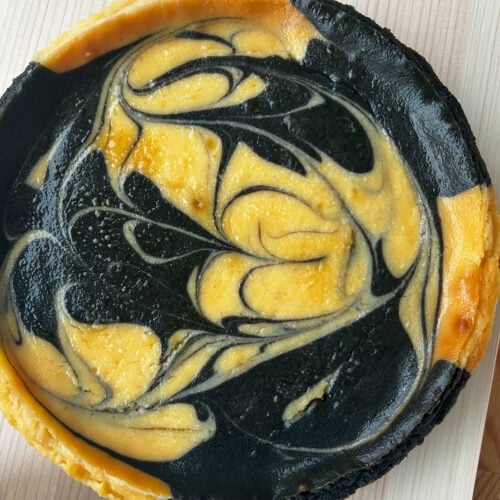
This is a baked black sesame cheesecake: firm, rich, and deeply satisfying. It’s a gently sweet Japanese twist on the classic, with a toasty depth and grey swirls from black sesame paste. You can easily make it at home using black sesame paste and an 18 cm (7-inch) pan.
Jump to Recipe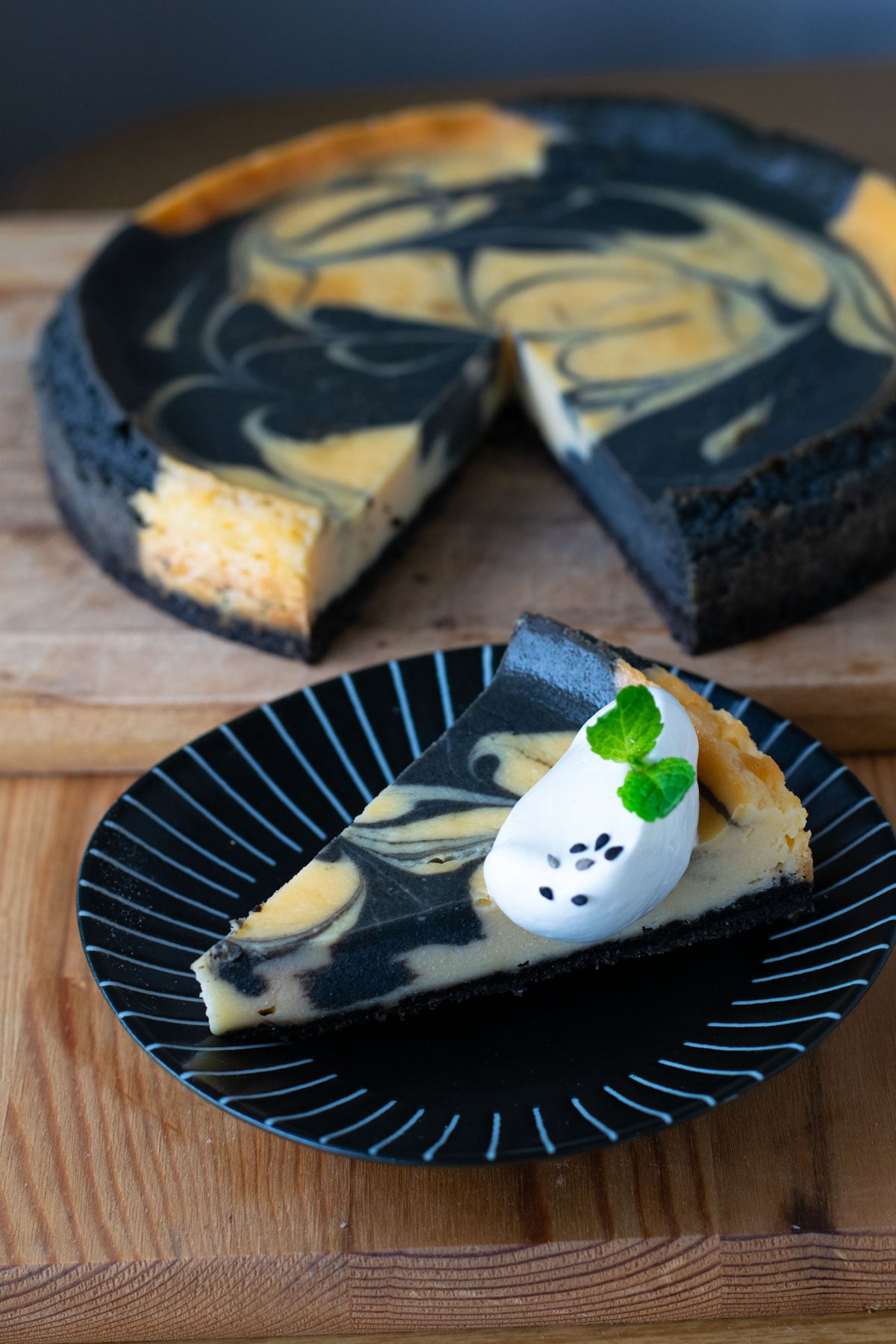
I’ve been intrigued by the idea of a black sesame cheesecake since last year. I’d never actually tried one until my first test bake. I always have my doubts before a recipe’s first attempt, but somehow I still have a feeling it’ll turn out good.
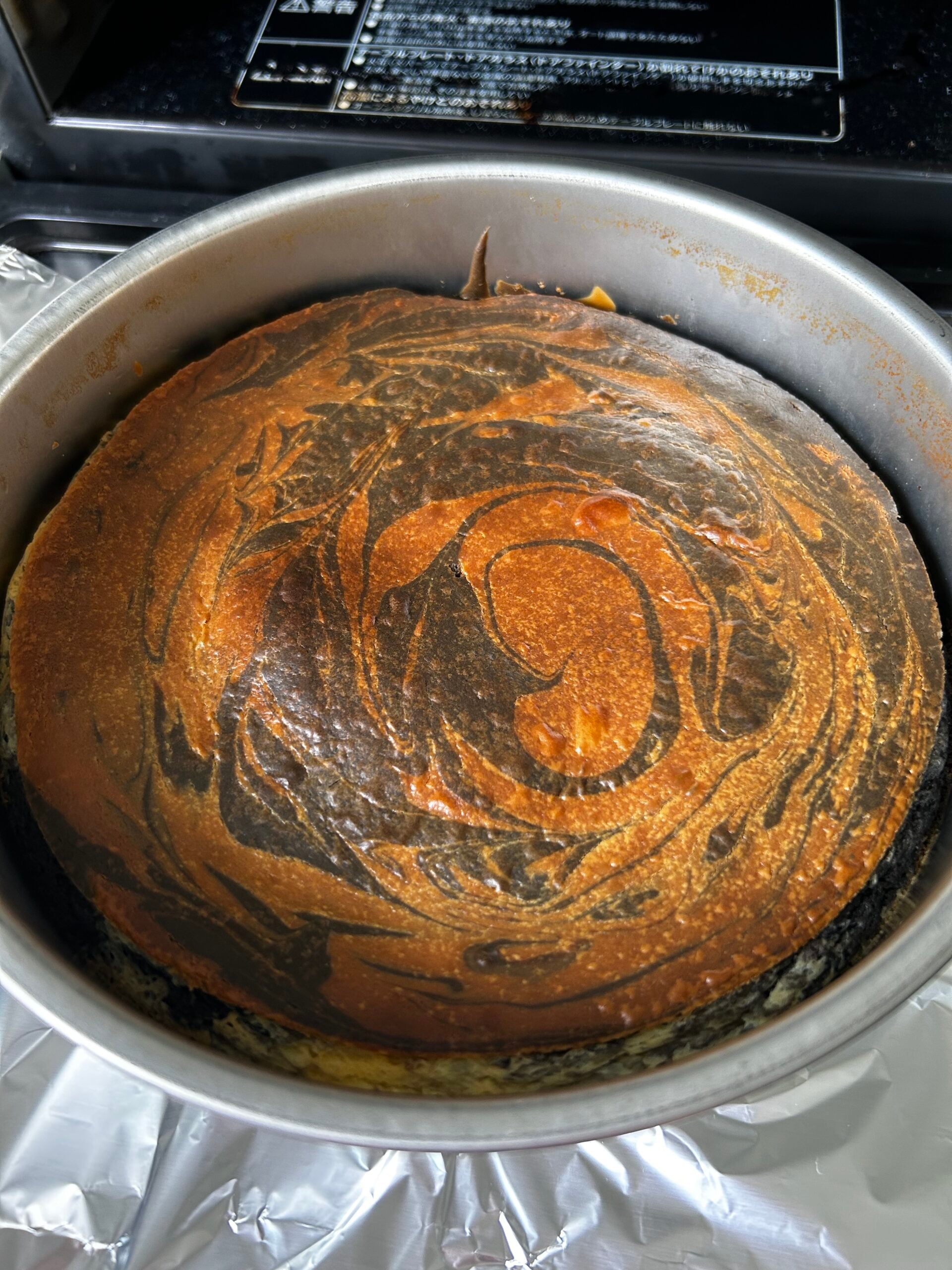
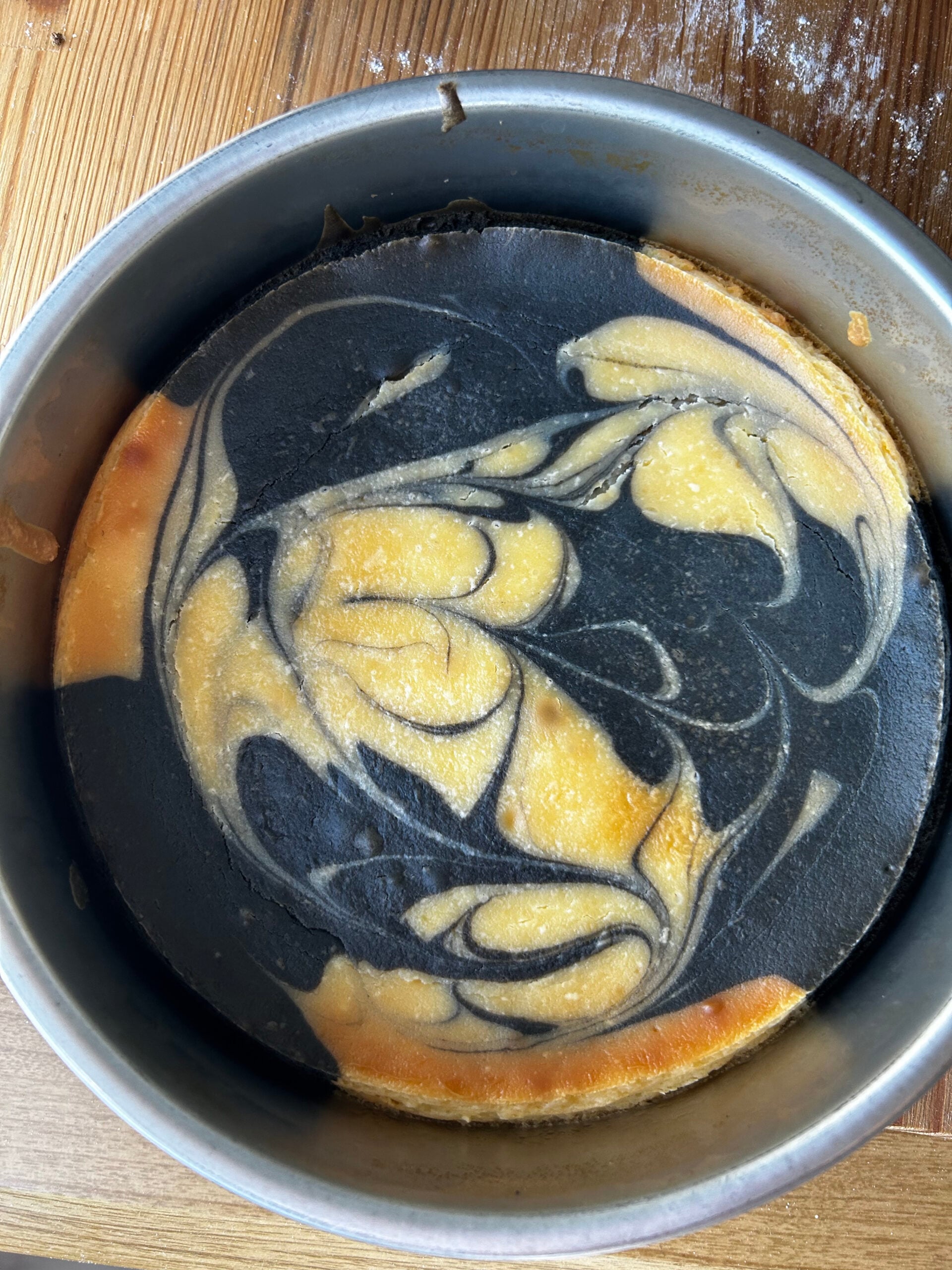
My first test bake did not look pretty. But the taste? A-mazing. A few tests later, a couple small adjustments, and the foil trick for the over-browning, it finally turned out just right.
Love and sesame 🖤
Matt
If you loved this cheesecake, you'll also love my yuzu cheesecake, a brighter, citrus take on the same baked style.
Jump to:
- Why You'll Love This Black Sesame Cheesecake
- What Is Black Sesame?
- Where to Buy Black Sesame Paste
- Ingredients for Black Sesame Cheesecake
- How to Make Black Sesame Cheesecake Step-by-Step
- Tips for Success
- Common Mistakes to Avoid
- Storage and Make Ahead Tips
- Frequently Asked Questions
- More Black Sesame Recipes You Might Love
- Black Sesame Cheesecake
Why You'll Love This Black Sesame Cheesecake
Rich and Nutty
Toasty black sesame adds depth, another layer of flavor, while keeping the same creamy, satisfying texture of a classic baked cheesecake.
Three Layers, Perfectly Balanced
Three layers of color, taste, and texture. I tested this recipe multiple times to get the ratios of flavors and sweetness just right.
Striking, Elegant Color
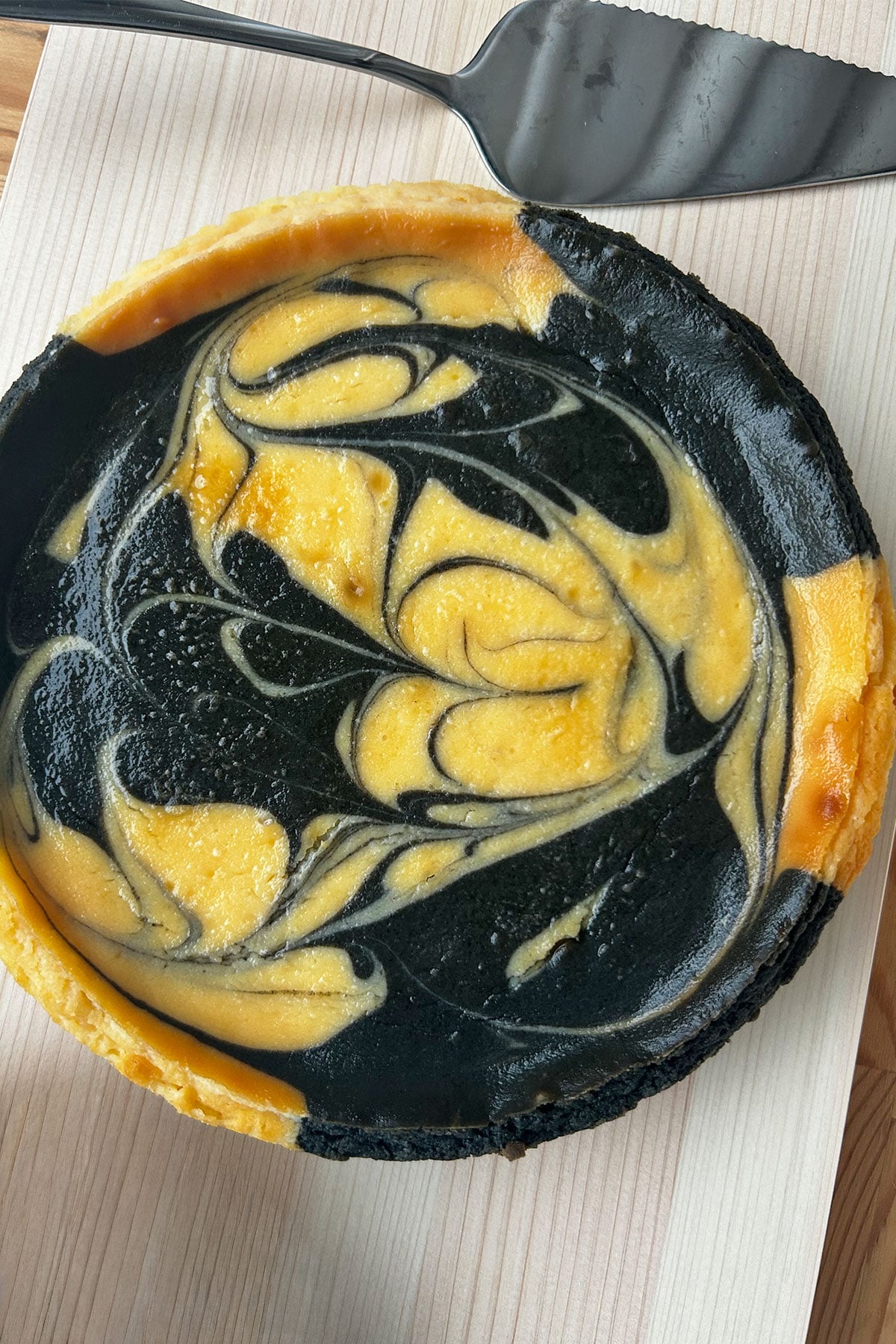
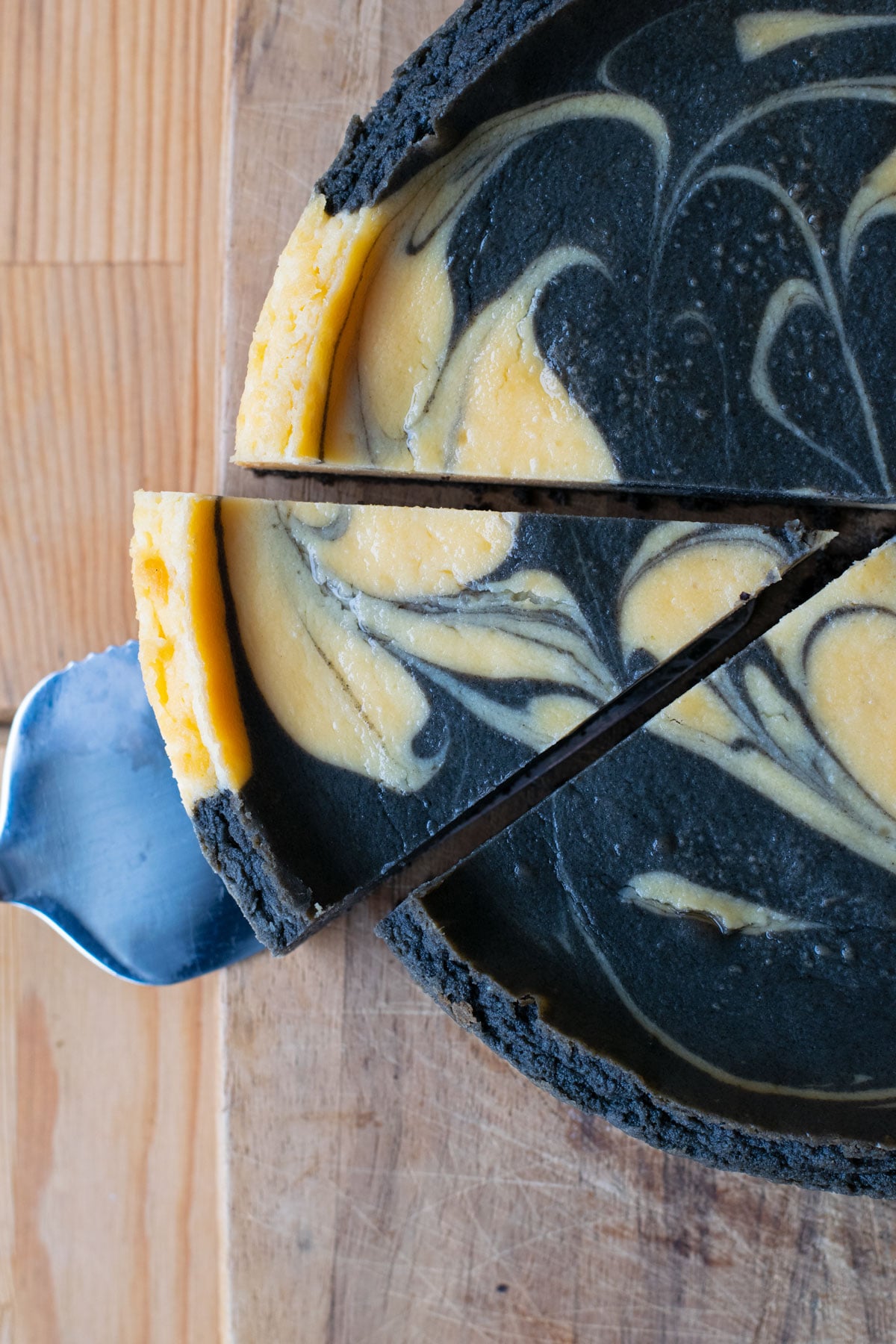
Black sesame paste marbles through in dark streaks against the pale cream filling, a contrast that looks as elegant as it tastes.
Easy to Make at Home
No hard-to-find Japanese ingredients needed. Black sesame paste is shelf-stable and sold at Japanese or Asian grocery stores and online.
What Is Black Sesame?
Black sesame (kuro goma, 黒ごま) is a staple in Japanese cooking and desserts, used in everything from black sesame ice cream to Japanese sweets such as dango and manju. Unlike mild white sesame, black sesame has a stronger, roasted, almost bitter depth, which is why it’s usually balanced with sugar or honey.
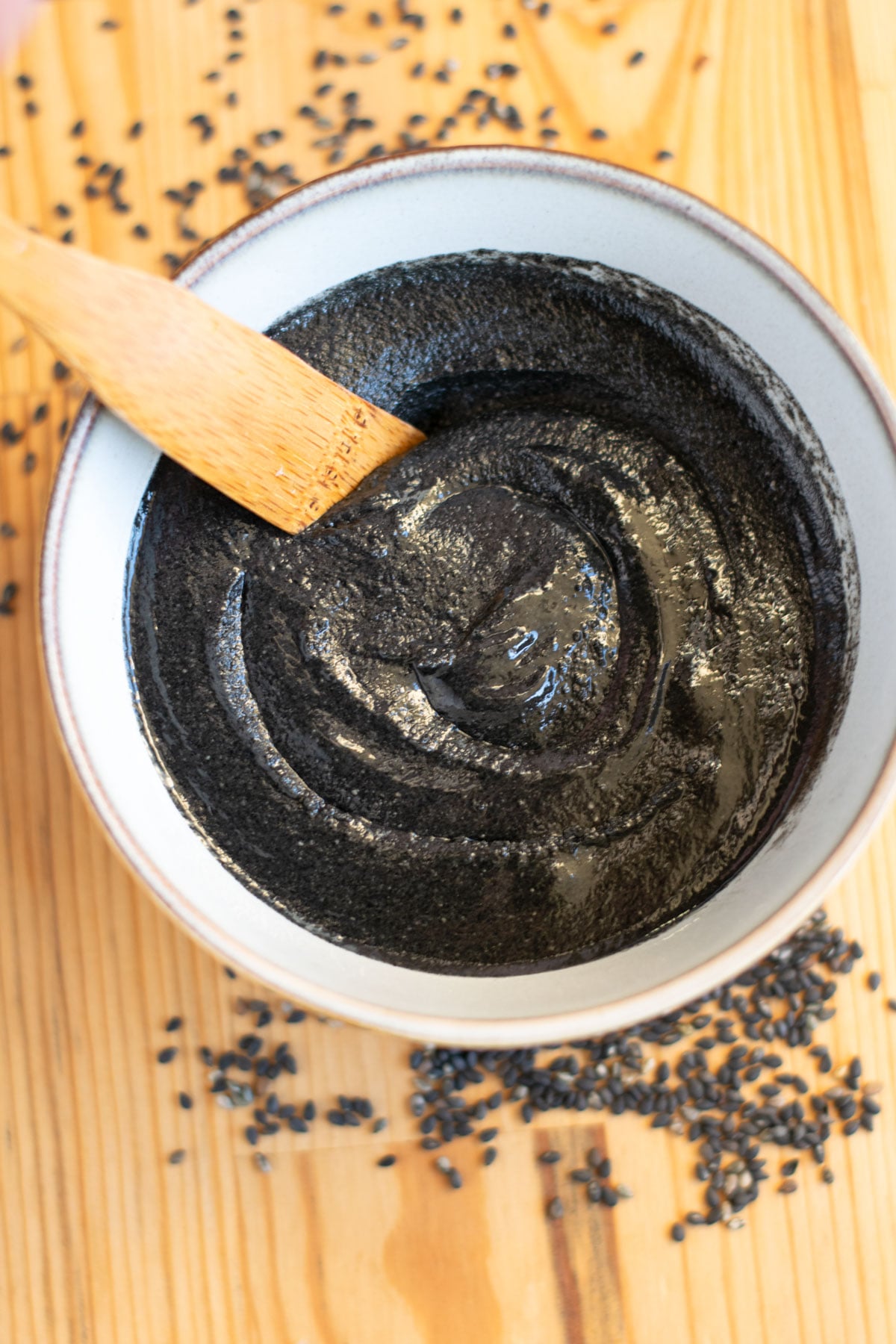
It’s often sold as nerigoma (黒ねりごま), a thick ground paste similar in texture to tahini, or as surigoma (黒すりごま), a coarser ground powder. This recipe uses the paste in the batter and a little surigoma in the crust.
Where to Buy Black Sesame Paste
No Japanese grocery store nearby? That’s ok. Both ingredients are easy to track down online or at a well-stocked Asian market.
At Japanese and Korean Grocery Stores
Black sesame paste and surigoma (ground black sesame) are both common finds at Japanese supermarkets outside Japan, such as Mitsuwa, Nijiya, or Marukai/Tokyo Central. Korean grocery stores work just as well. Just ask for heukimja (흑임자), the Korean name for black sesame paste.
Shopping Online
A few good options if you’d rather order in:
- Amazon Japan or Amazon US – you’ll find the same paste and surigoma brands I use here.
- Nijiya Market – ships online in some regions.
- Umami Insider, Japanese Taste, or Yamibuy – all carry Japanese pantry staples and ship internationally.
Tip: A jar of organic sesame paste can get expensive fast. If this cheesecake becomes a regular bake, buying a larger jar (or checking local stores first) will save you money over time.
Pro Tip: Stick to 100% pure sesame paste, nothing added, no sugar or oil mixed in, for the cleanest flavor.
Still stuck finding it? You’ve got two options: leave a comment below or message me on Instagram and I’ll help you track it down. Or skip the hunt entirely and make your own black sesame paste at home.
Ingredients for Black Sesame Cheesecake
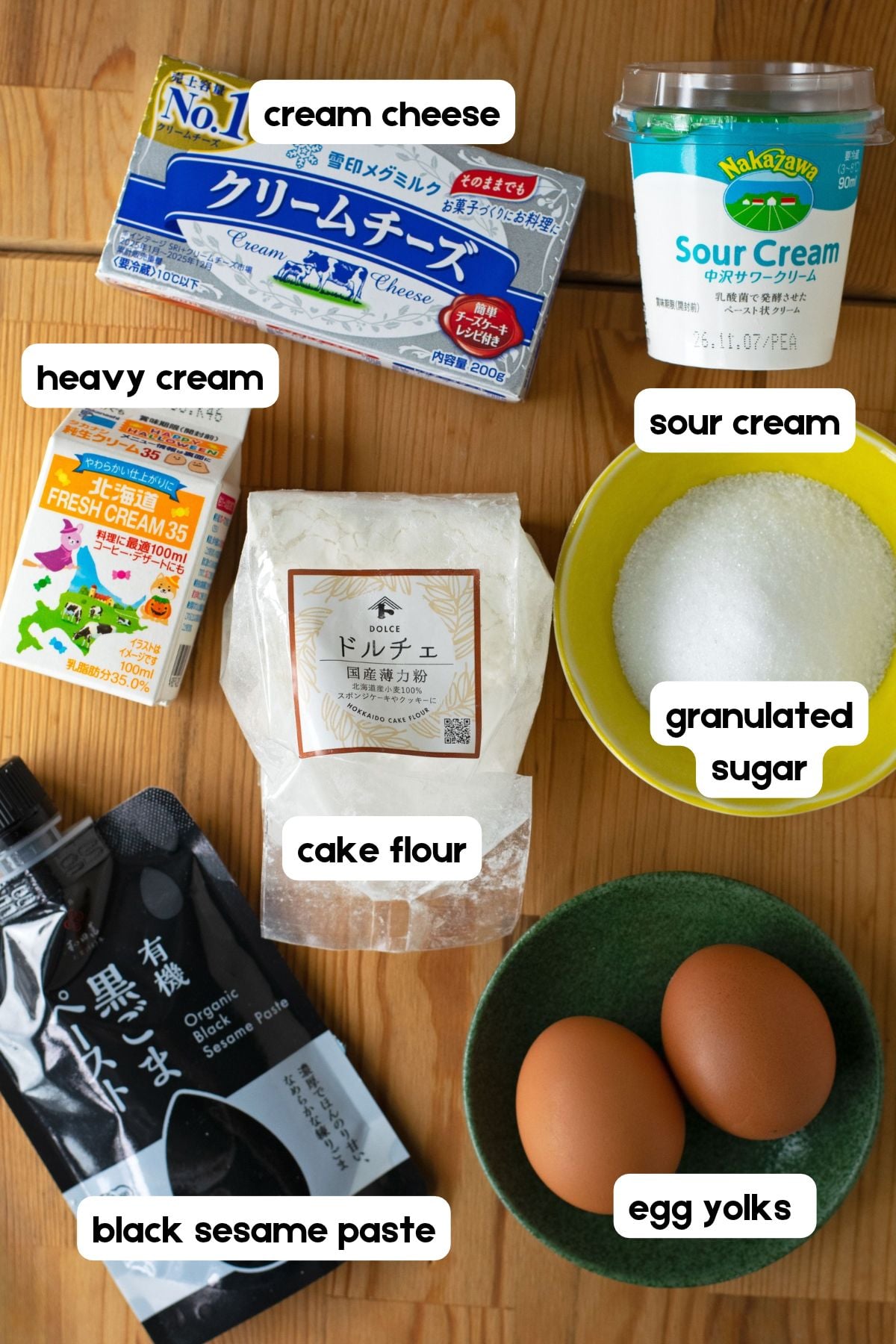
For the Oreo Crust
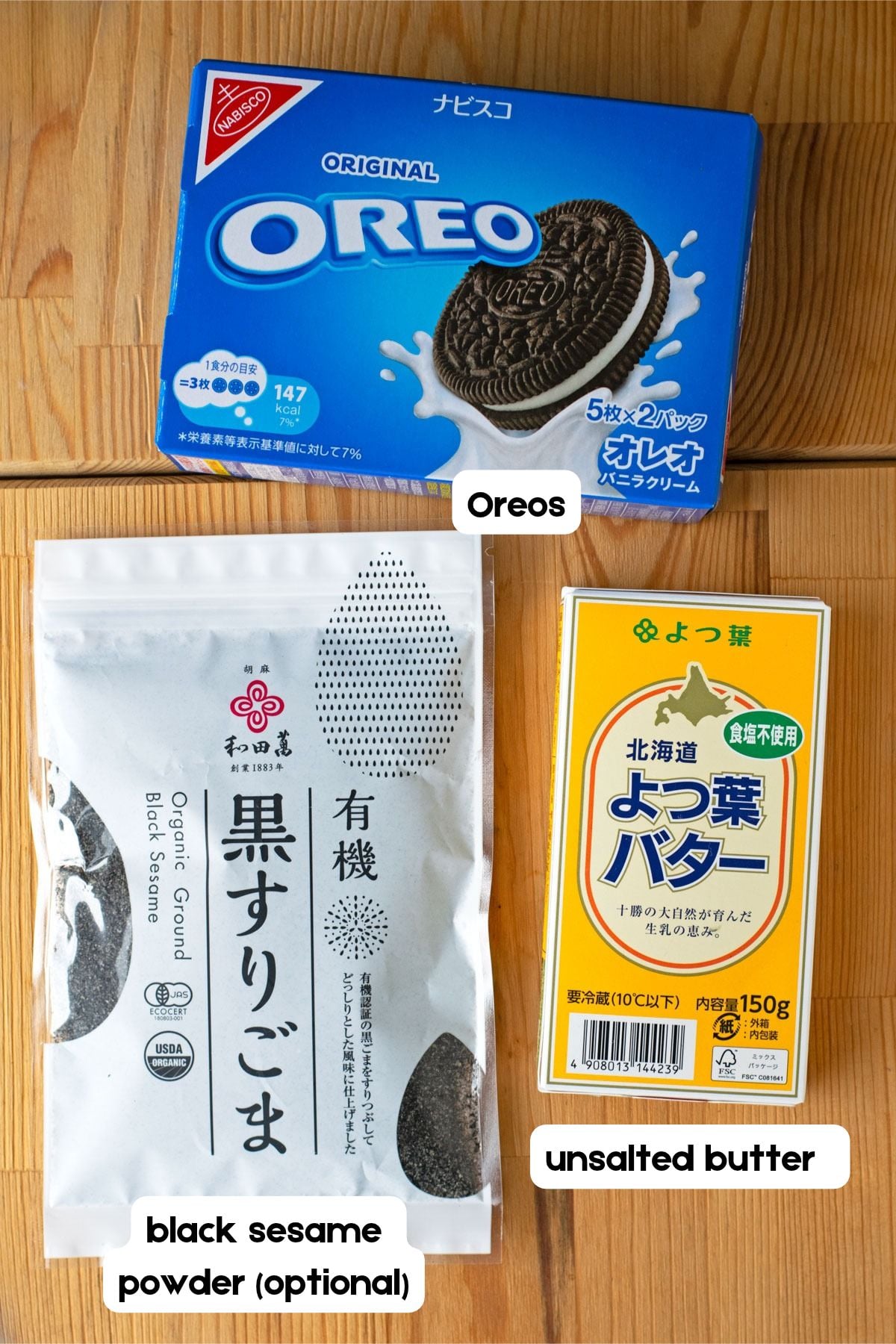
- Oreos – 10 cookies (about 110 g)
- Unsalted butter, melted – 25 g
- Black sesame powder (surigoma) – 5 g (about 2.5 teaspoons)
For the Cheesecake Base Batter
- Cream cheese, softened – 200 g
- Sour cream – 100 g
- Granulated sugar – 60 g
- Egg yolks – 2 (about 36 g)
- Heavy cream – 100 g
- Cake flour (low-protein flour) – 45 g
To Divide and Flavor the Batter
- Half the batter → black portion: mix in about 30 g black sesame paste (nerigoma)
- Half the batter → white portion: no added sesame paste
Ingredient Notes & Tips
Cream Cheese: Use full-fat and let it soften completely at room temperature for a smooth, lump-free filling.
Oreos: Use the whole cookie, filling included. Crush into fine crumbs, I just put mine in a zip-top bag and smash with a rolling pin (or anything heavy), no food processor needed.
Black Sesame Paste (Nerigoma): Look for 100% roasted black sesame paste with no added sugar or oil, so you control the sweetness and texture yourself. Don’t confuse this with black sesame powder (surigoma), they’re different products used in different parts of this recipe.
Cake Flour: Keeps the cheesecake tender. Reduce slightly if using all-purpose flour.
How to Make Black Sesame Cheesecake Step-by-Step
Making the Crust
Note: Let cream cheese soften at room temperature. Keep eggs chilled until ready. Preheat oven to 170 °C (340 °F).
Tip: If your oven runs hot, reduce to 320 °F (160 °C).
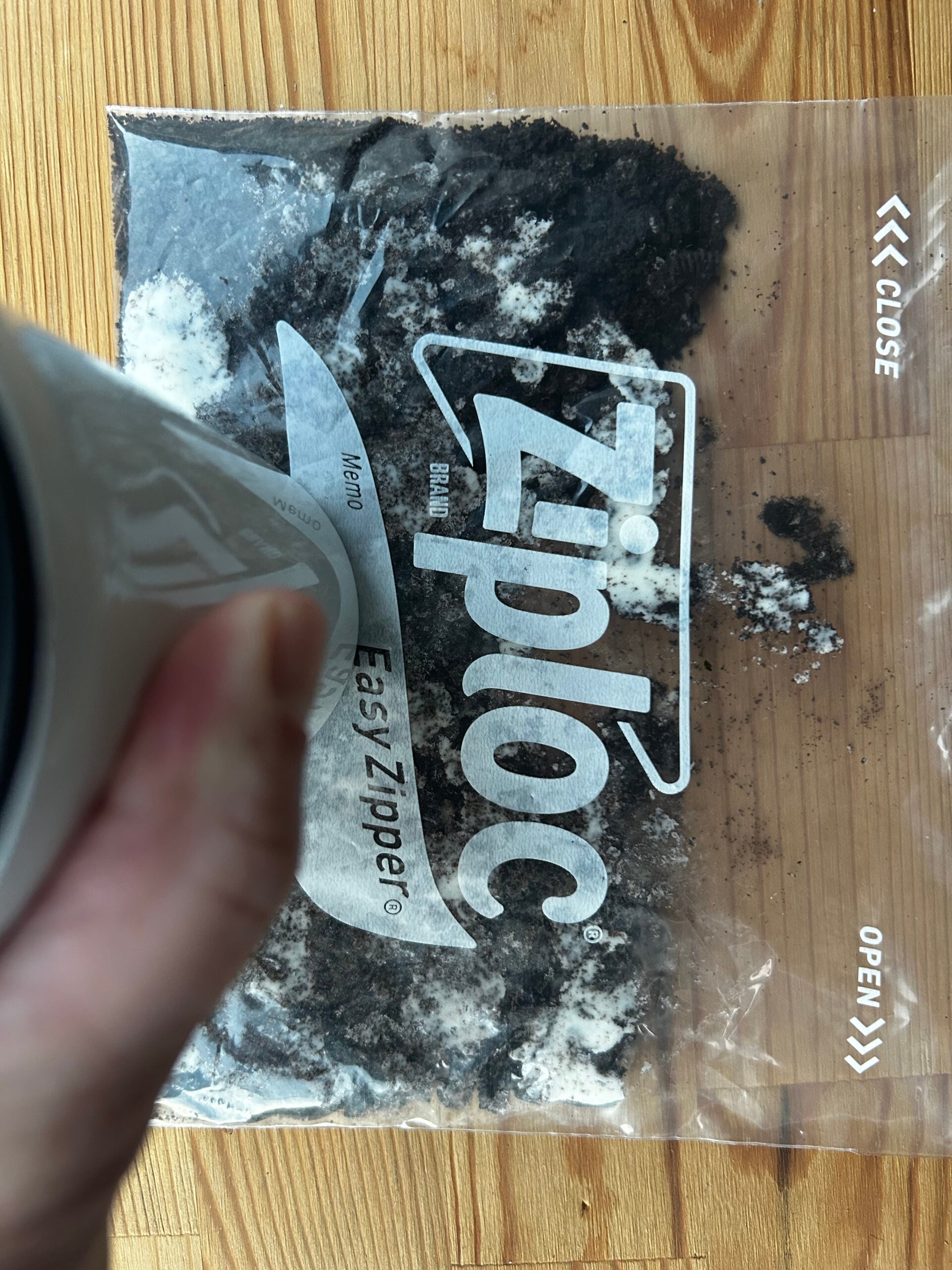
1. Crush the Oreos
Place the Oreos, filling included, in a sturdy zip-top bag. Use the bottom of a mug or a rolling pin to crush them into fine crumbs.
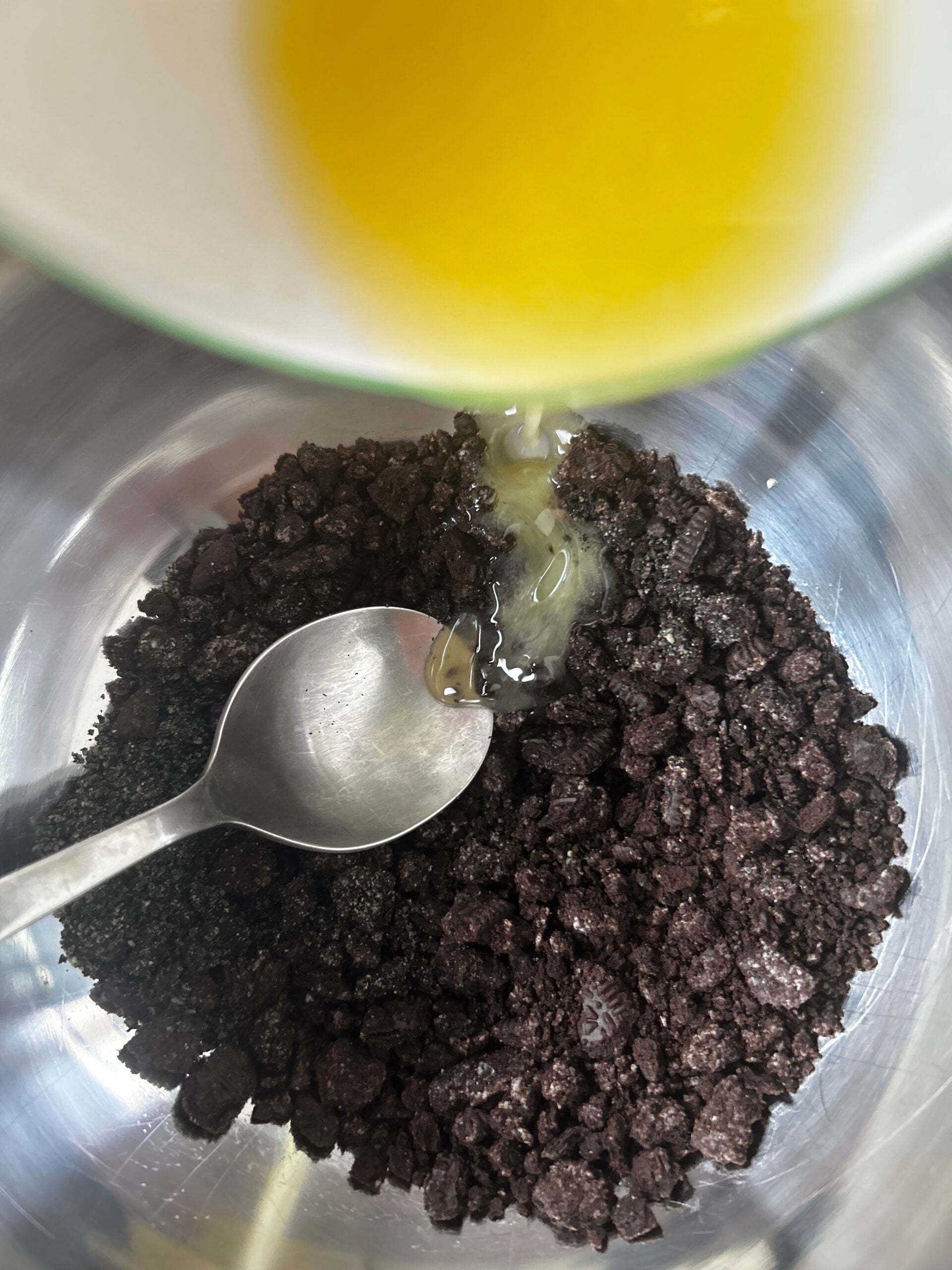
2. Mix with Black Sesame Powder and Butter
Transfer Oreo crumbs to a bowl. Add black sesame powder and mix well. Then melt the butter, add it to the bowl, and mix until evenly moistened.
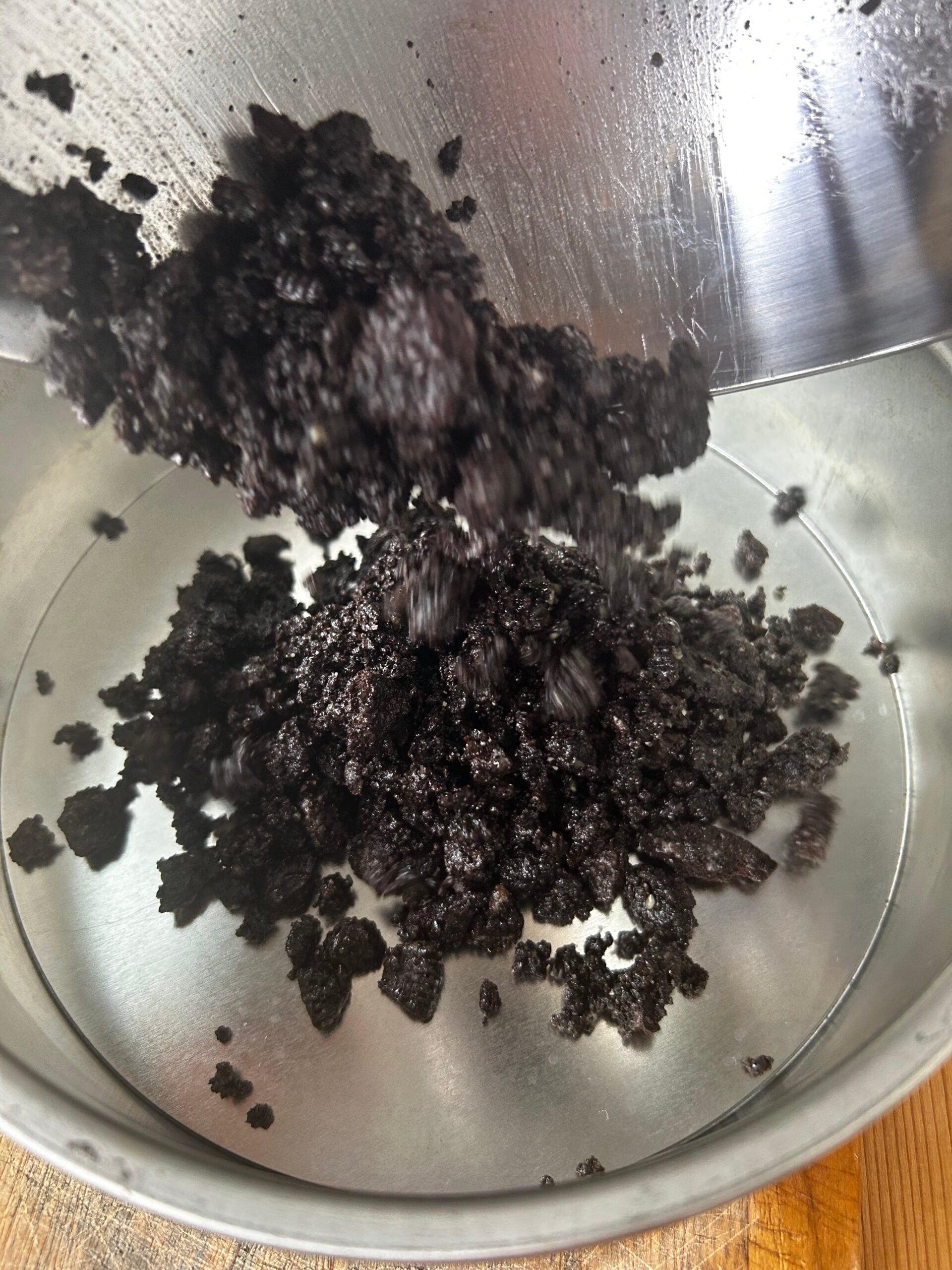
3. Add to pan
Pour crumb mixture into a prepared springform pan.
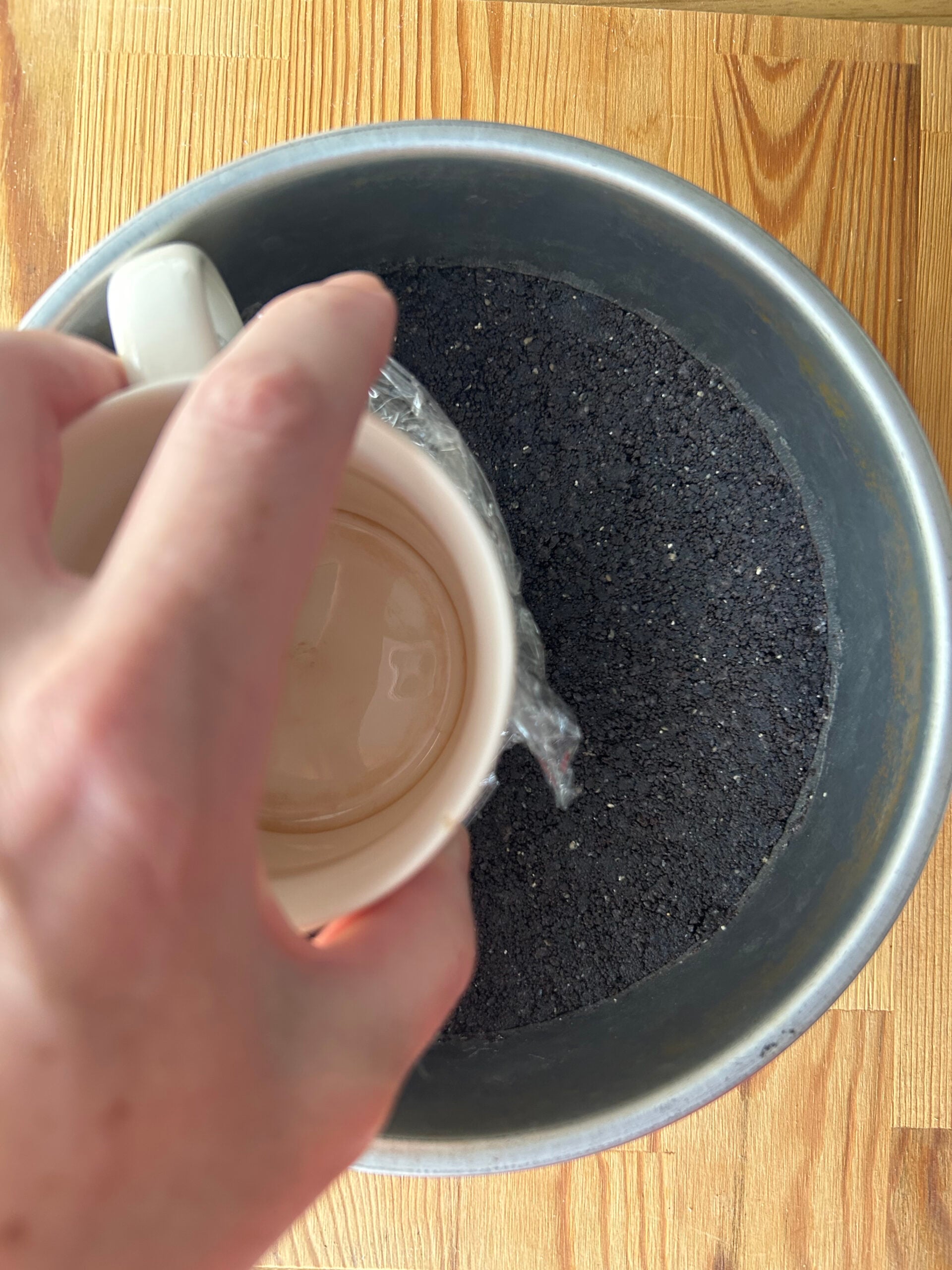
4. Press crust Firmly
Cover a mug’s bottom with plastic wrap, then press crumbs evenly, working around the edge in a circular path. Refrigerate 15–20 minutes before adding filling.
Making the Batter
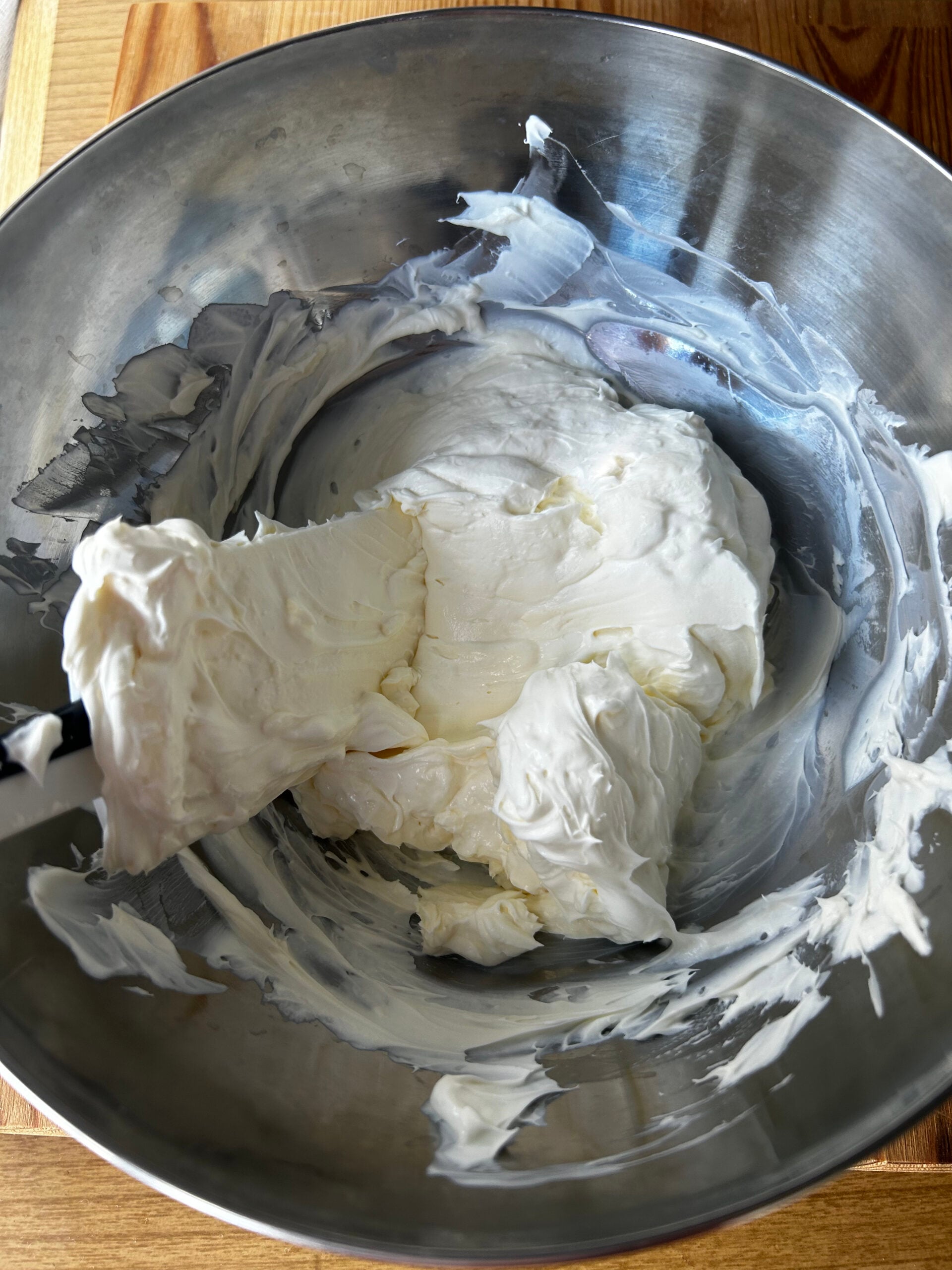
5. Soften the dairy
Place the cream cheese and sour cream in a mixing bowl. Using a rubber spatula, press and mix until completely smooth and free of lumps.
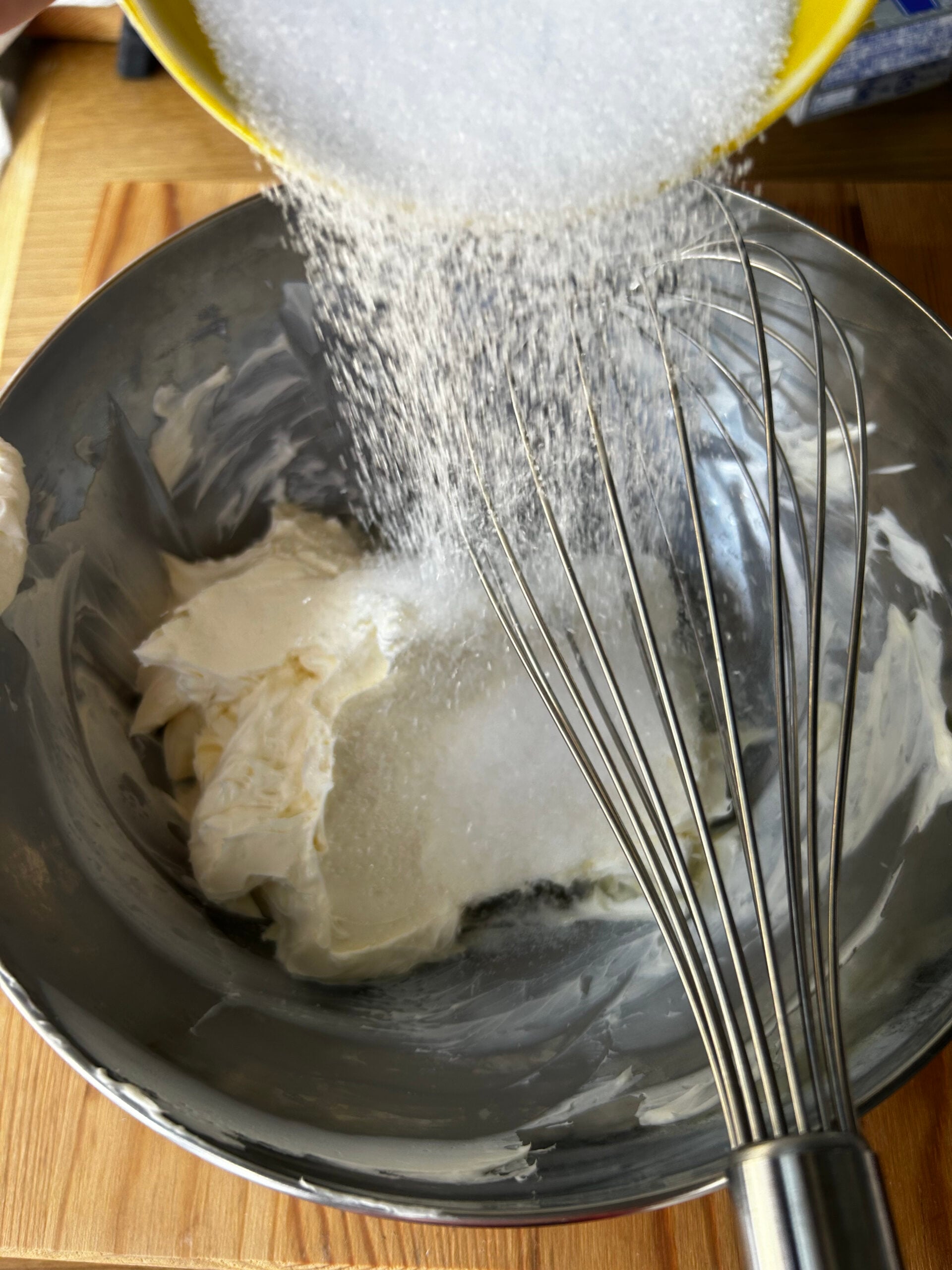
6. Add sugar And Mix
Add the sugar. Switch to a whisk and mix until the sugar is fully incorporated and the mixture looks creamy and uniform.
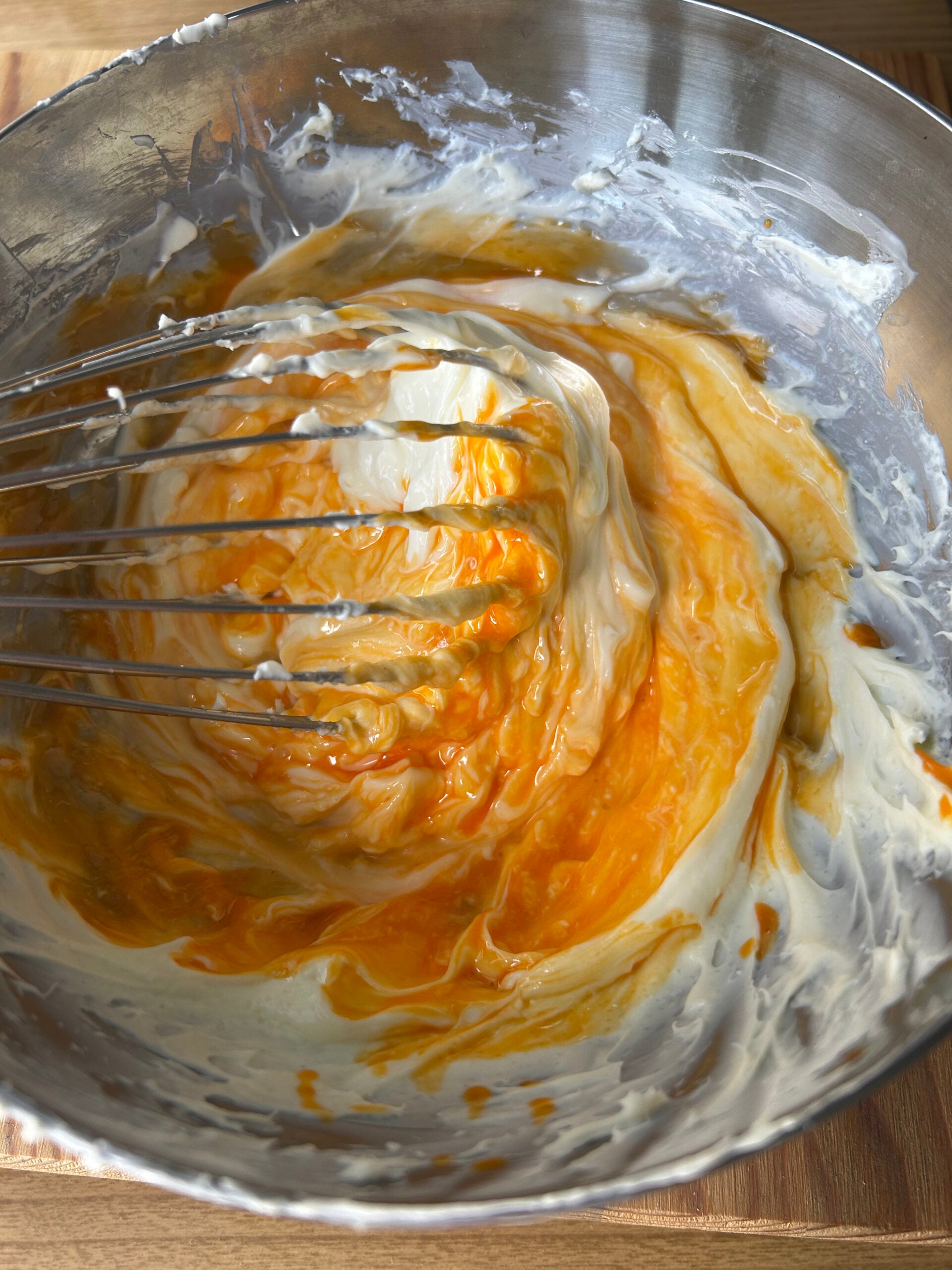
7. Add egg yolks And Mix
Add the egg yolks and whisk gently until just combined. Avoid overmixing at this stage.
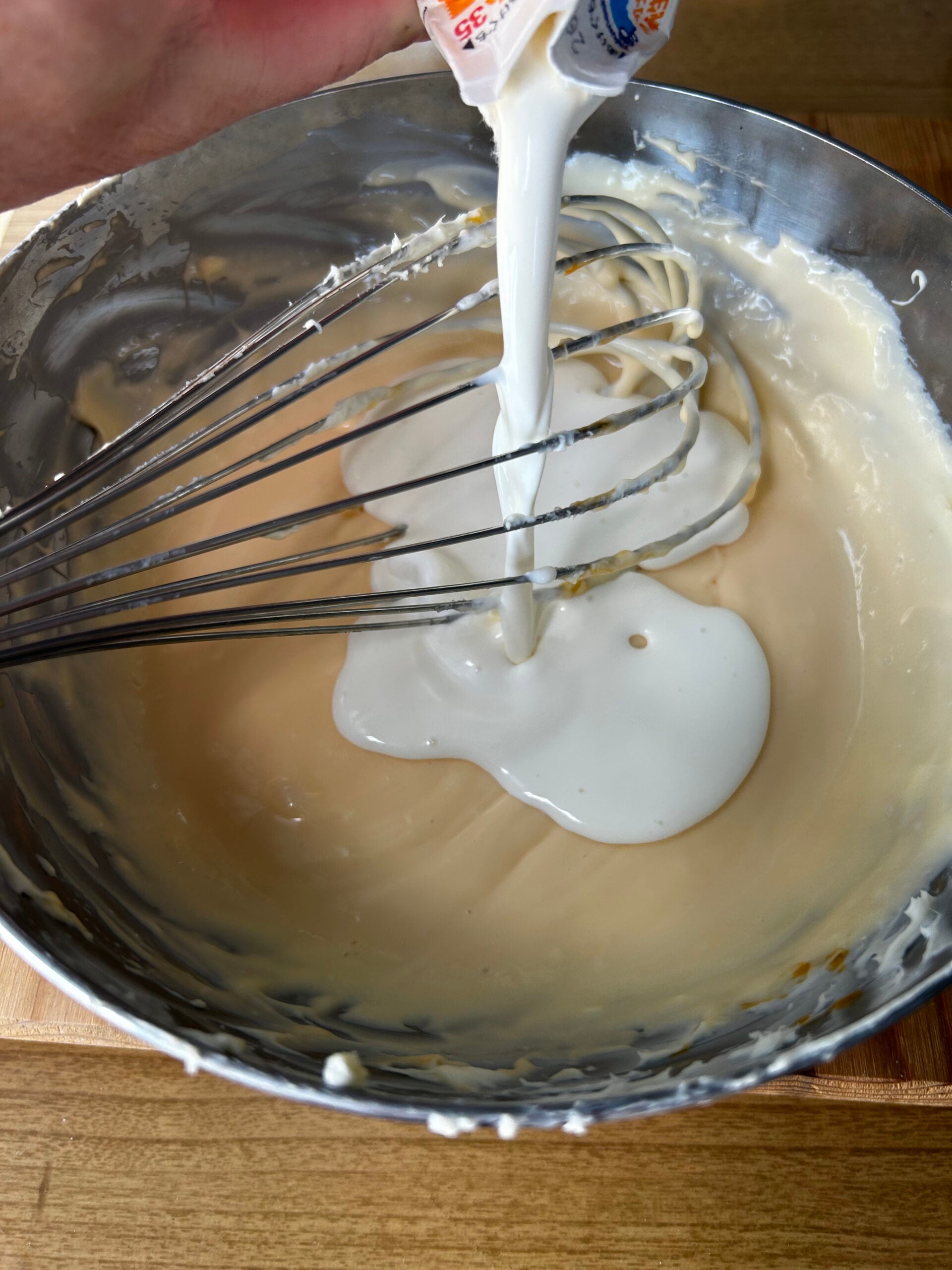
8. Add cream And Mix
Pour in the heavy cream. Whisk until smooth and silky, stopping as soon as everything is evenly blended.
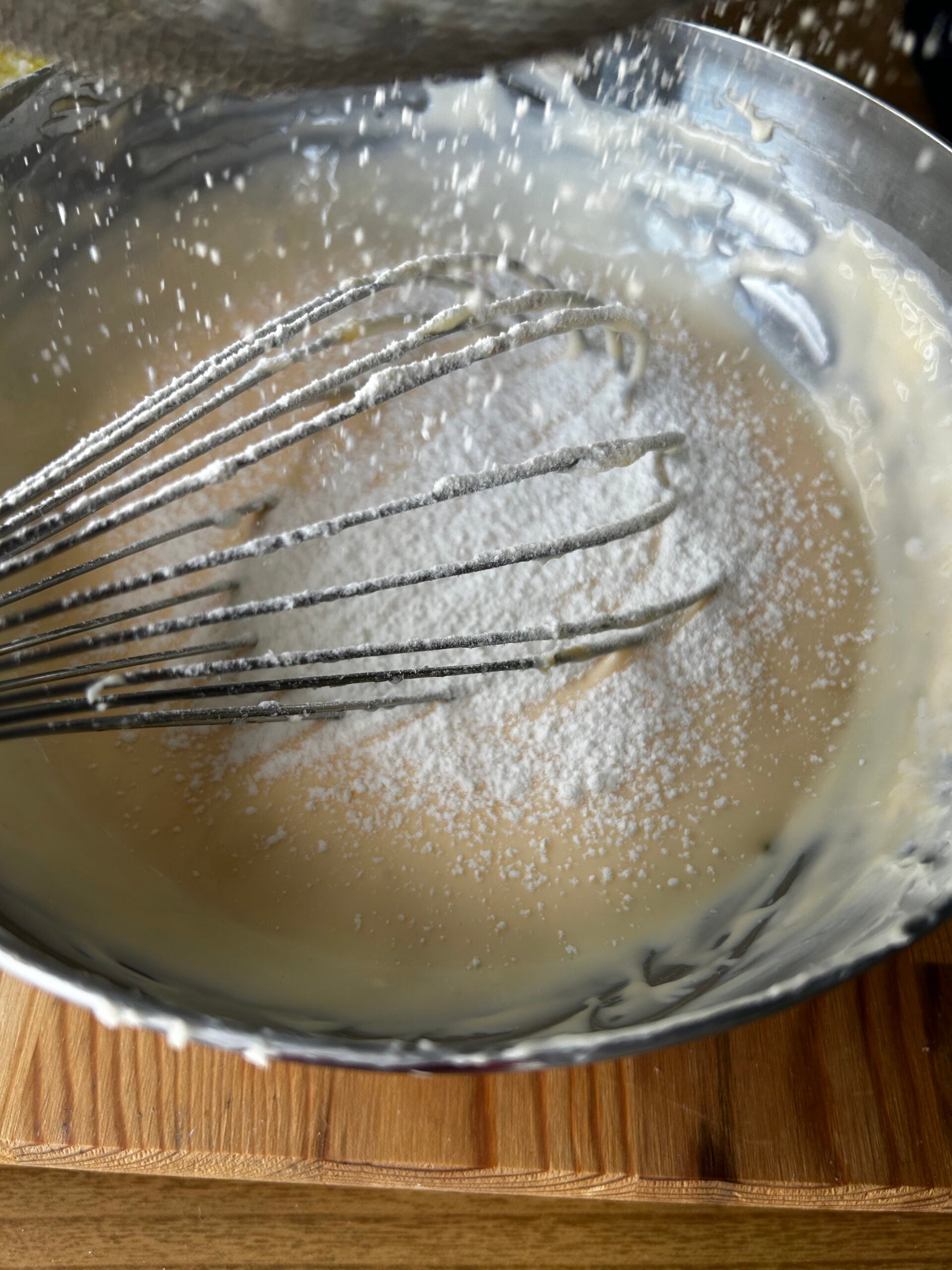
9. Sift the flour and Mix
Sift the cake flour over the cheesecake mixture. Use a spatula or whisk to gently fold it in until smooth and fully incorporated. This helps keep the cheesecake light and lump-free.
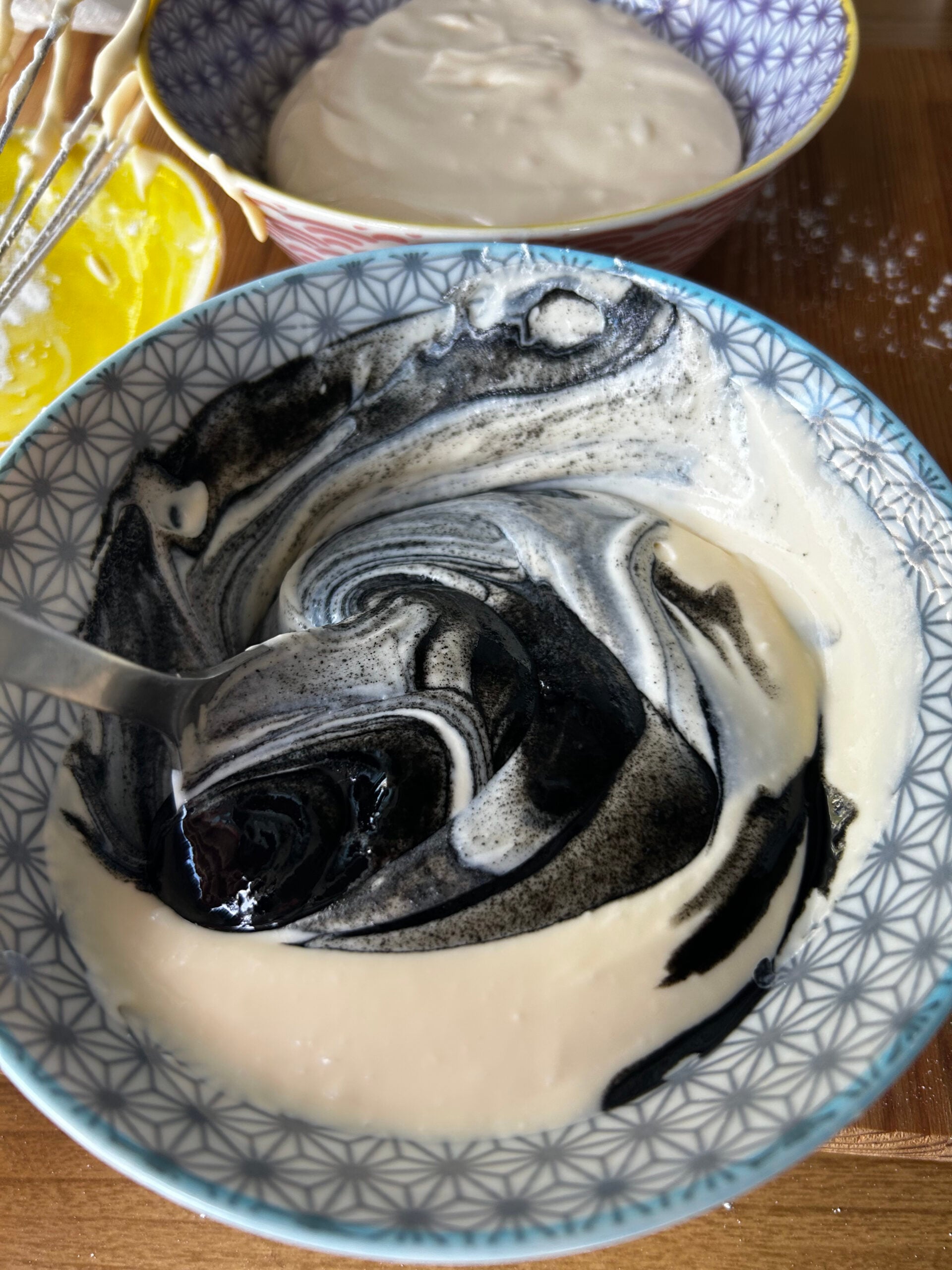
10. Divide Batter and Add Black Sesame Paste
Pour half into one bowl. Keep half in the original bowl. Mix the black sesame paste into one of the two portions with your whisk.
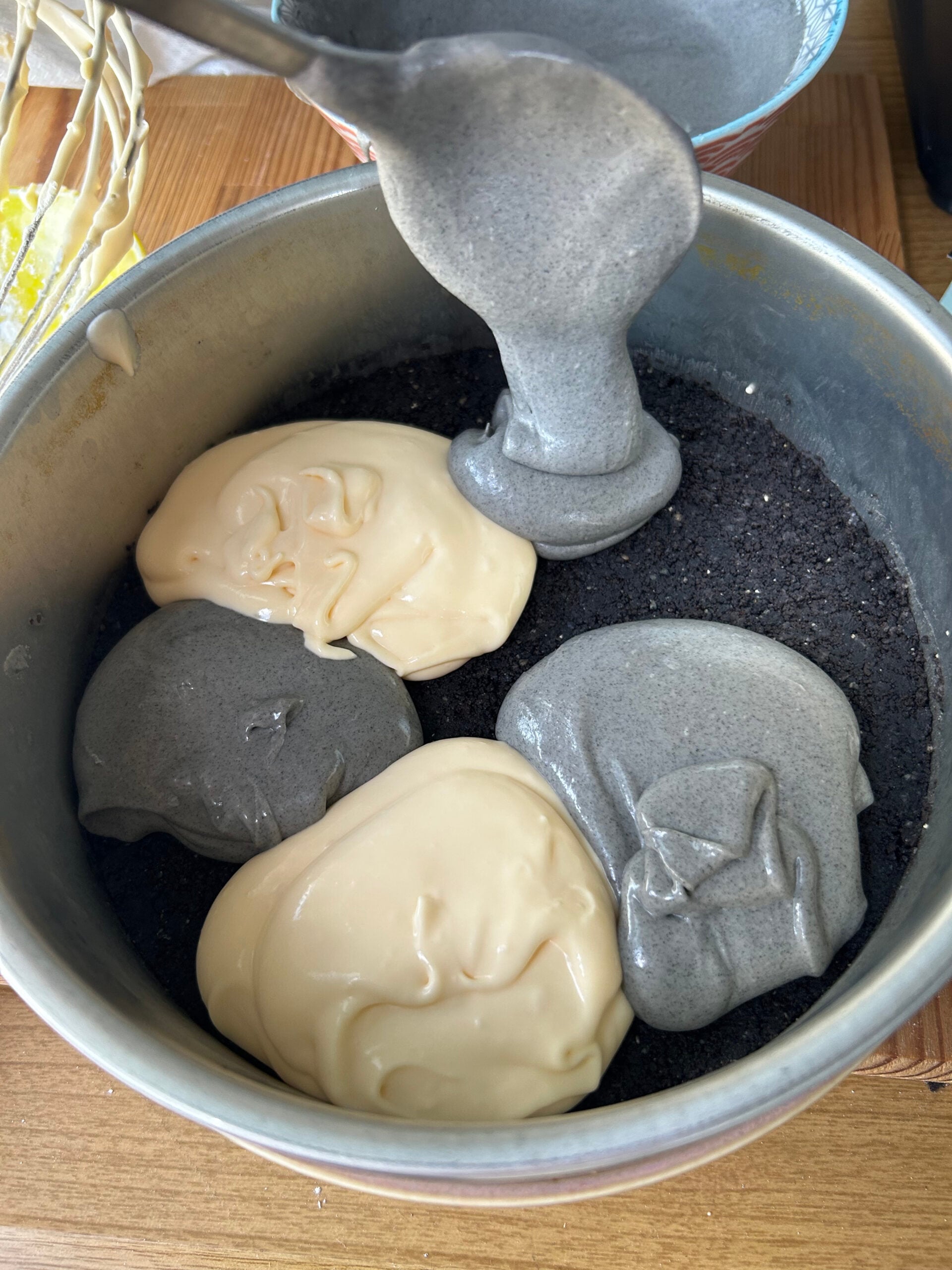
11. Spoon Batter into crust
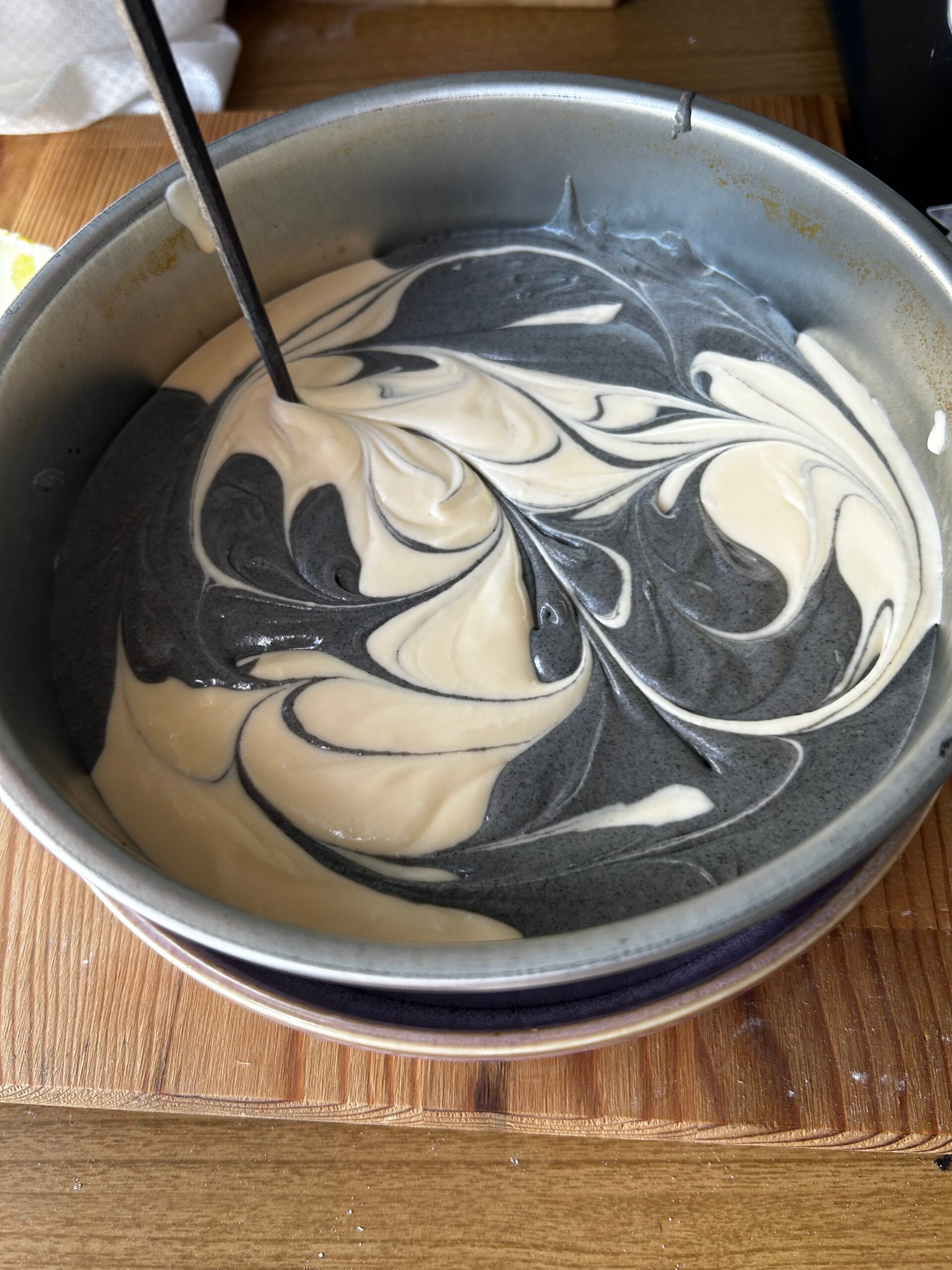
Start around the edges of the pan. Spoon the black and plain batters into the crust in alternating dollops. Then, slightly lift the pan and drop it on the counter a few times until the batter flattens to a uniform surface.
12. Swirl the batter
Drag a skewer or toothpick through them in a few light strokes to create a marble pattern. Stop as soon as you see streaks, overmixing blends the colors into gray.
Baking and Cooling
13. Bake in the Oven
Bake at 340°F (170°C) for approximately 40 minutes. To check doneness, gently shake the pan, the edges should be firm, while the center should jiggle slightly, like soft custard. You can also insert a toothpick near the center, it should come out mostly clean, with a few moist crumbs but no raw batter.
14. Watch for Browning
At around the 25-minute mark, check the top for browning. If it’s starting to brown, cover loosely with foil for the rest of the bake to prevent the top from burning.
15. Cool
Remove from the oven and let the cheesecake cool on the countertop until it is no longer warm to the touch. This gradual cooling helps prevent cracks.
16. Refrigerate
Cover with plastic wrap or foil and refrigerate for at least 3 hours, ideally overnight, to fully set and develop flavor.
Tips for Success
Check the crust with a squeeze test: Press a small handful of the Oreo crumb mixture together in your hand. If it holds its shape without crumbling apart or feeling greasy, your butter ratio is right. 25 g of butter is the amount that passed this test for me.
Flavor intensity: I tasted the batter raw to check the sesame flavor before baking, and adjust the paste up or down from there. Skip this if you have any concerns about eating raw egg.
Swirl, don’t stir: Once you’ve spooned the black and plain batters into the crust in alternating dollops, drag a skewer or toothpick through them in a few light strokes. Stop as soon as you see a marble pattern. Overmixing blends the colors into gray and you lose the contrast.
Oven running hot: Ovens often run hotter than their dial shows. If yours tends to run hot, use an oven thermometer and check a few minutes early, it’s easy to overbake or crack a cheesecake if the actual temperature is higher than expected.
Watch the surface: Keep an eye on the top of the cheesecake as it bakes. As soon as you notice any browning, cover it loosely with aluminum foil to prevent the top from burning.
Common Mistakes to Avoid
Not softening the cream cheese fully: cold or partially softened cream cheese leaves lumps that won’t smooth out later, even with vigorous mixing. Pull it out well ahead of time rather than rushing it in the microwave.
Using the wrong size pan: swapping in a pan larger or smaller than the 18 cm (7-inch) this recipe calls for throws off both texture and bake time. A bigger pan spreads the batter thinner and bakes faster, risking overbaking. A smaller one makes it thicker and denser, and may need more time in the oven to set properly.
Overbaking past the jiggle point: pulling the cheesecake once it looks fully set gives you a dry, cracked texture instead of the soft custard center you’re after. The center should still wobble when you gently shake the pan.
Cooling it too fast: pulling the cheesecake straight from a hot oven and putting it right into the fridge shocks it and causes cracking. Let it cool gradually at room temperature before refrigerating.
Storage and Make Ahead Tips
Refrigerate: Keep tightly covered in the fridge for 3–4 days.
Make Ahead: I recommend making this cheesecake a day ahead and letting it set in the fridge overnight before serving.
Frequently Asked Questions
Black sesame has a toasty, roasted flavor. It’s nutty, like almond or peanut butter, but deeper and more smoky. There’s also a slight bitterness, like the coffee flavor in tiramisu. In this cheesecake, that bitterness balances the sweetness of the filling and crust. It gives the dessert a richer, more savory edge than a typical fruit or vanilla cheesecake. Think toasted and a little roasty, not just sweet on top of sweet.
Black sesame seeds contain calcium, iron, unsaturated fats, and antioxidants. One of those antioxidants is sesamin, a compound found only in sesame. In Japan, sesame has long been called an “edible pill,” and in traditional Kampo medicine it’s classified as a food linked to blood.
As for the dessert itself, Japanese desserts like this one tend to use a lot less sugar than Western desserts. Portions are also typically much smaller. So even with sugar, heavy cream, and cream cheese, it’s a lighter way to have dessert than what you might be used to.
Yes, you can. I’ve tested it with white sesame. It works, but you lose the deep roasted flavor and the dark color that make this dessert stand out. The flavor ends up much more subtle, and the color turns out light beige/off-white instead of grey.
Kurogoma is the Japanese word for black sesame. Kurogoma cheesecake is a cheesecake made with black sesame paste mixed into the filling, and sometimes into the crust too, if there is one. It has the same creamy texture as a regular cheesecake, but with a toasty, nutty flavor instead of plain vanilla.
More Black Sesame Recipes You Might Love
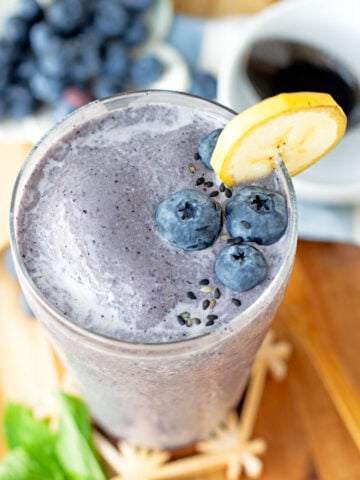
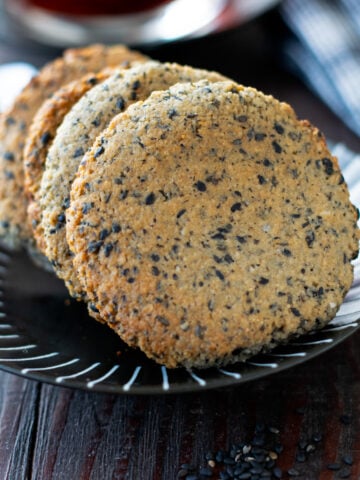
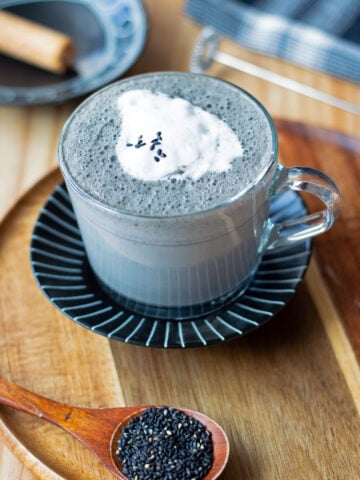

Did you try this black sesame cheesecake recipe?
I’d love to see how yours turned out!
Tag @eyesandhour on Instagram, and if it made your day a little better, leave a ⭐️⭐️⭐️⭐️⭐️ rating and comment below.
Black Sesame Cheesecake

Equipment
- 1 18 cm (7-inch) springform pan
Ingredients
For the Oreo Crust
- 10 Oreos about 110 g
- 25 g Unsalted butter, melted
- 5 g Black sesame powder (surigoma) about 2 ½ tsp
For the Cheesecake Base Batter
- 200 g Cream cheese softened
- 100 g Sour cream
- 60 g Granulated sugar
- 2 Egg yolks about 36 g
- 100 g Heavy cream
- 45 g Cake flour (low-protein flour)
- 30 g black sesame paste
Instructions
Make the Crust
- Crush the OreosPlace the Oreos in a sturdy zip-top bag. Use the bottom of a mug or rolling pin to crush them into fine crumbs.
- Mix with melted butterTransfer the crumbs to a bowl. Add the black sesame powder and mix. Pour over the melted butter and mix until the crumbs are evenly moistened and look like wet sand.
- Add to the panPour the crumb mixture into the prepared springform pan.
- Press firmlyCover a mug’s bottom with plastic wrap, then press crumbs evenly, working around the edge in a circular path.
- Chill crustOnce pressed, place the crust in the refrigerator for 15–20 minutes to help it set before adding the cheesecake filling. This step helps prevent a crumbly base.
Make the Batter
- Soften the dairyPlace the cream cheese and sour cream in a mixing bowl. Using a rubber spatula, press and mix until completely smooth and free of lumps.
- Add the sugarAdd the sugar. Switch to a whisk and mix until the sugar is fully incorporated and the mixture looks creamy and uniform.
- Add the egg yolksAdd the egg yolks and whisk gently until just combined. Avoid overmixing at this stage.
- Add creamPour in the heavy cream. Whisk until smooth and silky, stopping as soon as everything is evenly blended.
- Sift the flour Sift the cake flour over the cheesecake mixture. Use a spatula or whisk to gently fold it in until smooth and fully incorporated. This helps keep the cheesecake light and lump-free.
- Divide the batterPour ½ into one bowl. Keep ½ in the original bowl. Mix the black sesame paste into one of the bowls.
- Pour the batter Start around the edges of the pan. Spoon the black and plain batters into the crust in alternating dollops. Then, slightly lift the pan and drop it on the counter a few times until the batter flattens to a uniform surface.
- Swirl the batterDrag a skewer or toothpick through them in a few light strokes to create a marble pattern. Stop as soon as you see streaks. Overmixing blends the colors into gray.
Baking and Cooling
- Bake in the ovenBake in the oven at 340°F (170°C) for approximately 40 min. To check doneness, gently shake the pan. The edges should be firm, while the center should jiggle slightly, like soft custard. You can also insert a toothpick near the center. It should come out mostly clean, with a few moist crumbs but no raw batter.
- Watch for browningAt around the 25-minute mark, check the top for browning. If it’s starting to brown, cover loosely with foil for the rest of the bake to prevent the top from burning.
- CoolRemove from the oven and let the cheesecake cool on the countertop until it is no longer warm to the touch. This gradual cooling helps prevent cracks.
- RefrigerateCover with plastic wrap or foil and refrigerate for at least 3 hours, ideally overnight, to fully set and develop flavor.
Notes
- Use nerigoma (black sesame paste) in the batter and surigoma (black sesame powder) in the crust. Know that these are different products so you don’t mix them up when shopping.
- The crust should pass the squeeze test: pressed crumbs should hold together without crumbling or feeling greasy.
- Swirl the batters gently, just a few strokes. Overmixing blends the colors into gray instead of leaving visible marbling.
- Ovens often run hotter than their dial shows. If yours tends to run hot, check a few minutes early.
- The center should still wobble gently when you shake the pan, that’s doneness, not a fully set center.
- Let the cheesecake cool gradually at room temperature before refrigerating. Going straight from a hot oven into the fridge can cause cracking.
- Stick to the 18 cm (7-inch) pan size, a different size will throw off both texture and bake time.
- Refrigerate tightly covered for 3–4 days. For best results, make it a day ahead and let it chill overnight before serving.
Leave a Reply