
The first time I bought yuzu juice was to make yuzu cheesecake. I had a feeling the bright, fragrant citrus would pair well with the rich, creamy filling, and it turned out even better than I had hoped.
What I didn't expect was how many bottles of yuzu juice I've bought since then. I quickly discovered that a small splash can brighten a salad dressing, add depth to a simple sauce, or transform a glass of sparkling water.
These days, I probably have more than one unfinished bottle of yuzu juice in my refrigerator. While fresh yuzu is a special treat during the winter season, bottled yuzu juice is what I use for most of the year, even here in Japan.

Jump to:
- What Is Yuzu Juice?
- What Does Yuzu Juice Taste Like?
- Fresh vs Bottled Yuzu Juice
- What to Look for in Bottled Yuzu Juice
- Where to Buy Yuzu Juice (US + Japan Guide)
- Easy Ways to Use Yuzu Juice
- Yuzu Salad Dressing
- Yuzu Sauce for Fish or Vegetables
- Stir Into Sparkling Water, Lemonade, or Tea
- Desserts and Baking
- Tips for Cooking With Yuzu Juice
- Common Mistakes
- Yuzu Juice Substitutes
- My Favorite Way to Use Yuzu Juice
- Frequently Asked Questions
- Conclusion
What Is Yuzu Juice?
Yuzu juice is made from yuzu, a fragrant Japanese citrus fruit known for its bright, tangy flavor. It tastes like a cross between grapefruit, mandarin orange, and lemon, with a fresh floral aroma that sets it apart from other citrus fruits.
Fresh yuzu is available during the winter months, but I use bottled yuzu juice for most of the year, even here in Japan. It's convenient to keep on hand and adds bright citrus flavor to both sweet and savory dishes year-round.
Once you have a bottle in the refrigerator, it's surprisingly easy to reach for again and again. A splash can brighten a simple yuzu sauce, a fresh yuzu salad dressing, or a creamy yuzu cheesecake. Those are just a few ways I've used it at home.

What Does Yuzu Juice Taste Like?
If I had to compare the aroma to another citrus fruit, I'd say it's closest to lime. It also reminds me of the scent of lemon drop candies or a lemon-lime soda like Sprite.
If you taste yuzu juice on its own, you'll notice the tartness right away. It reminds me of the bright, balanced tartness of a well-made French lemon tart. It's not sweet, but the acidity isn't as sharp or aggressive as straight lemon juice. It doesn't make my lips pucker the way a sip of pure lemon juice does.
Like a squeeze of lemon over a freshly cooked dish, yuzu juice really comes alive when it's combined with other ingredients. It adds a fresh, gentle citrus flavor to dressings, sauces, drinks, and desserts without overpowering the other flavors.
Fresh vs Bottled Yuzu Juice
Fresh yuzu has an incredible aroma and is one of my favorite signs of winter in Japan. From late fall through winter, bright yellow yuzu starts appearing in supermarkets and farmers' markets across the country. Outside of Japan, however, fresh yuzu can be difficult to find.
For everyday cooking, I usually reach for bottled yuzu juice, even here in Japan. It's easy to keep in the refrigerator and works beautifully in dressings, sauces, drinks, and desserts. While fresh yuzu has the brightest aroma, bottled yuzu juice captures its distinctive citrus flavor remarkably well.
If you happen to find fresh yuzu, by all means use it. But don't feel like you need to hunt it down. A good-quality bottle of pure yuzu juice will give you excellent results in most recipes.
What to Look for in Bottled Yuzu Juice
Shopping for bottled yuzu juice can feel a little confusing at first, but a few simple tips can help you choose a good one.
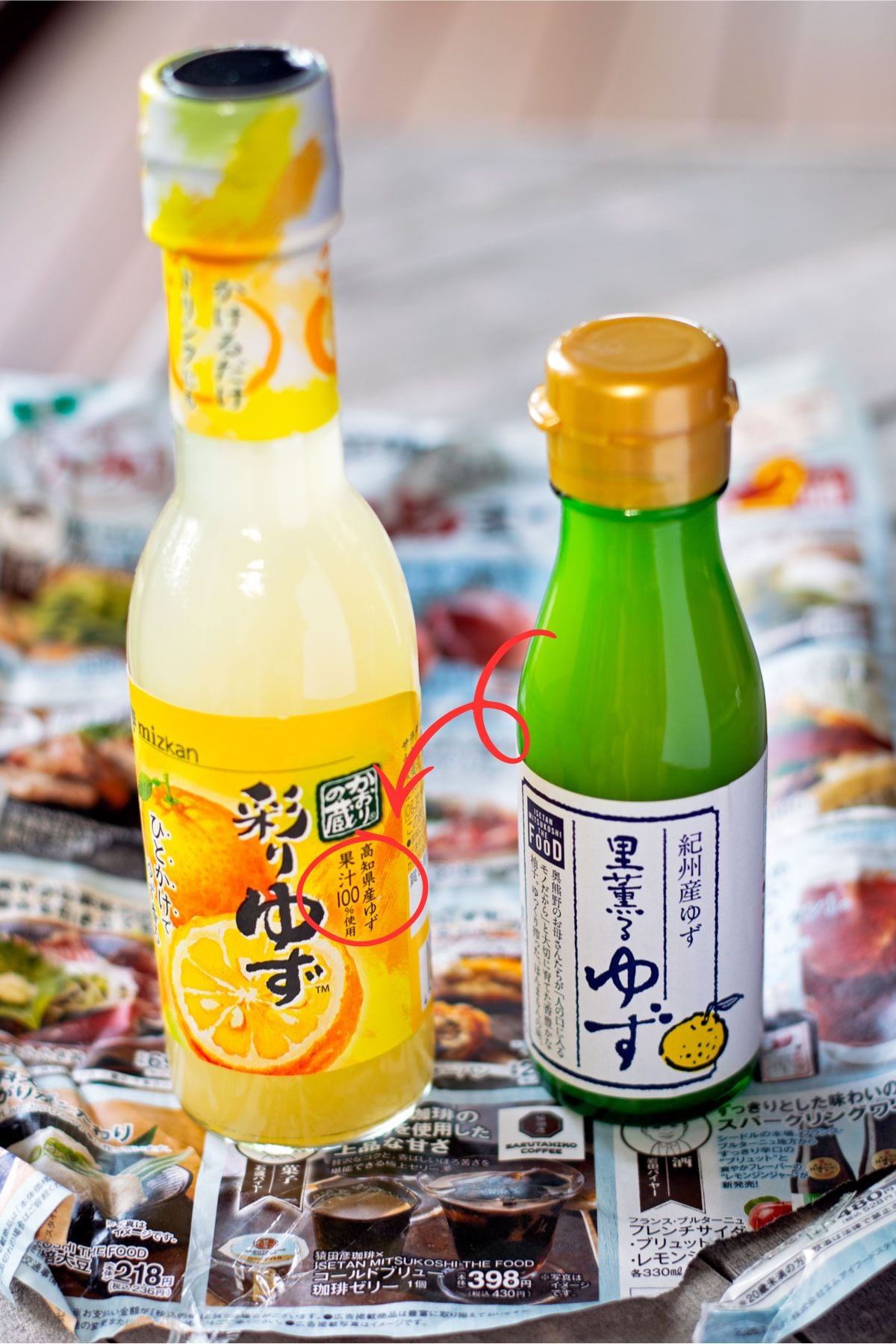
Look for bottles labeled 100% yuzu juice or 「ゆず果汁100%」 whenever possible. Choose products that contain only yuzu juice, with no added sweeteners, vinegar, citric acid, or artificial flavorings.
Don't worry too much about finding the "perfect" brand. A good-quality bottle will work beautifully in dressings, sauces, drinks, and desserts.
If you're just getting started, focus on buying pure yuzu juice. That's the most important thing.
Where to Buy Yuzu Juice (US + Japan Guide)
In the US
Fresh yuzu is grown in limited quantities in the United States, mainly in California and a handful of specialty orchards, but it's still quite rare and not something most home cooks will come across.
For most home cooks, bottled yuzu juice is the most practical and reliable option. Bottled yuzu juice is a specialty ingredient, so it's usually more expensive than everyday citrus juices.
Your best chance of finding bottled yuzu juice is at a Japanese or well-stocked Asian grocery store:
- Mitsuwa
- H Mart (select locations)
- Marukai
You can also order pure yuzu juice online from brands such as:
In Japan
Bottled yuzu juice (often labeled ゆず果汁 or ゆず果汁100%) is widely available at supermarkets throughout Japan. Check the vinegar or condiment aisle, especially at mid-size and larger stores.
I usually buy Mizkan yuzu juice, which I've consistently found at supermarkets like Life and Tokyu Store.
When shopping, look for labels that say 「ゆず果汁100%」, which means the bottle contains pure yuzu juice with no added vinegar, citric acid, or sweeteners.
Fresh yuzu is typically available from November through December, when fragrant yellow fruit appears in supermarkets and farmers' markets throughout Japan.
Easy Ways to Use Yuzu Juice
Once you buy your first bottle of yuzu juice, you'll quickly discover it's useful for much more than one recipe. Here are a few easy ways to use it.
Yuzu Salad Dressing
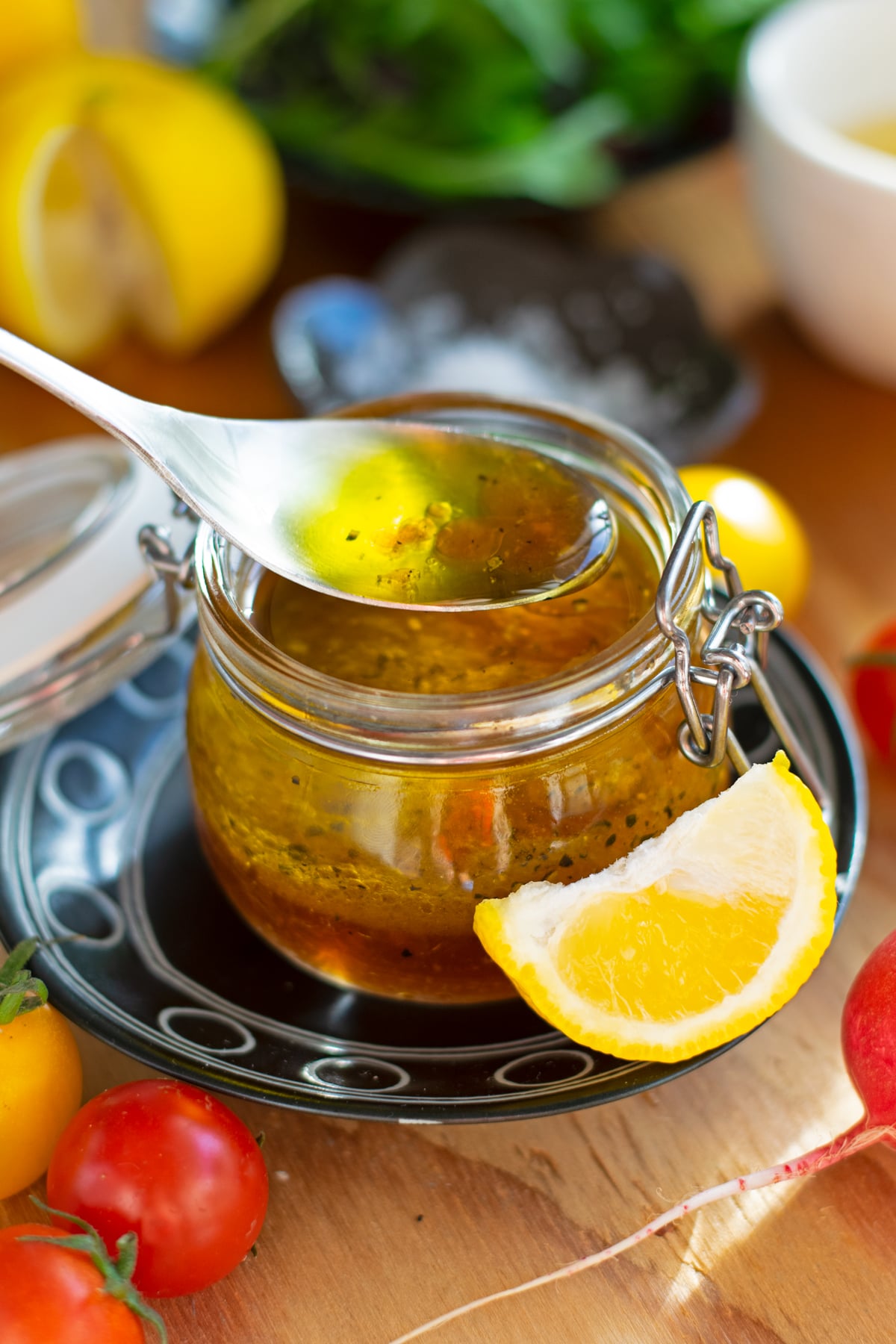
Yuzu dressing brings fresh citrus flavor to salads, grain bowls, and fresh vegetables. Try it with mixed greens, shredded cabbage, cucumber, or avocado for a light Japanese-inspired salad.
Yuzu Sauce for Fish or Vegetables
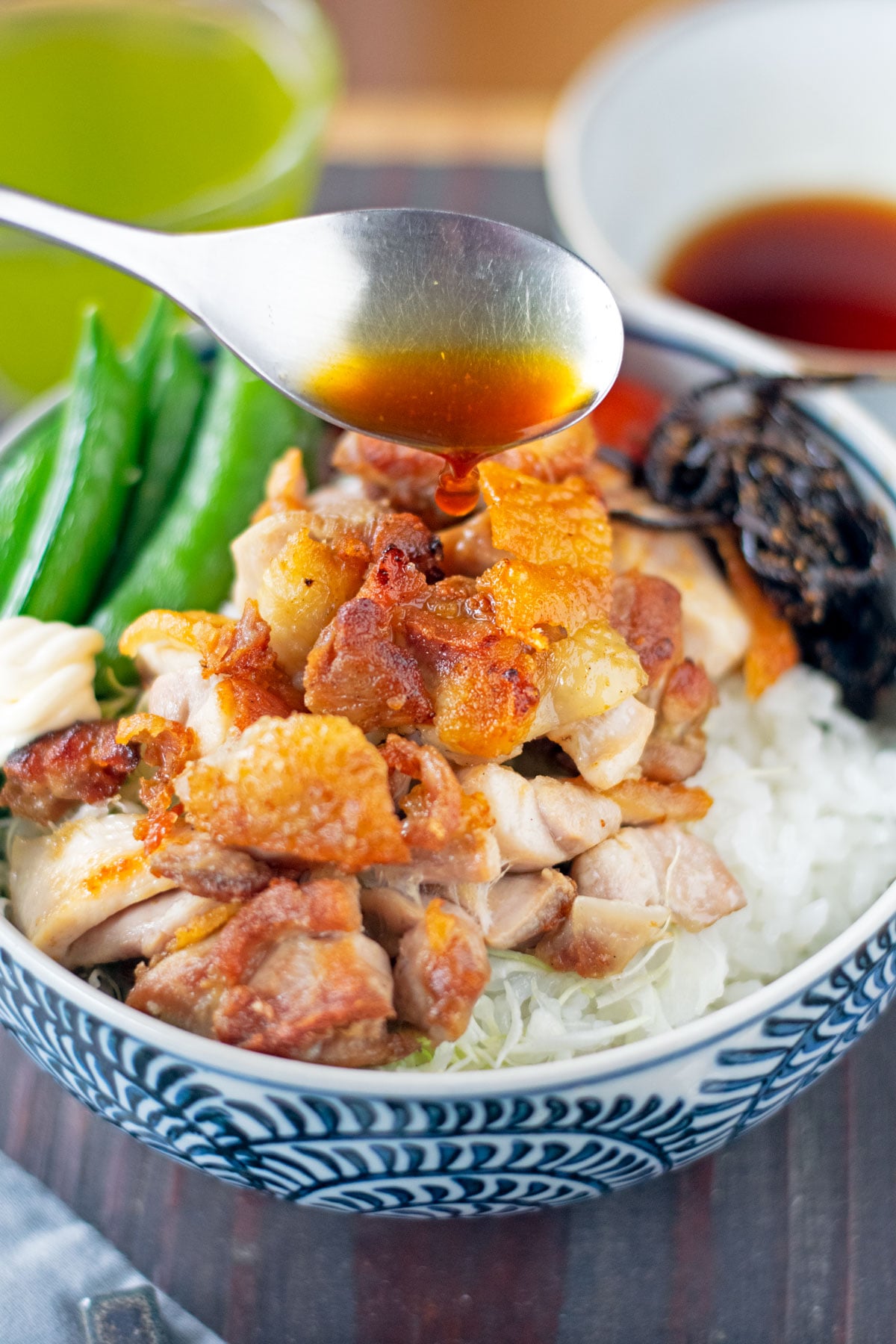
Yuzu sauce adds fresh citrus and umami-rich flavor to everyday meals. Try it as a dipping sauce for gyoza or grilled chicken, a marinade for fish or tofu, or a light drizzle over roasted vegetables and rice bowls.
Stir Into Sparkling Water, Lemonade, or Tea

A splash of yuzu juice adds fresh citrus flavor to drinks. Stir it into sparkling water for a quick yuzu soda, add it to tea with honey, or make my refreshing Sparkling Yuzu Mocktail for an easy summer drink.
If you're looking for a more traditional Japanese drink, try honey yuzu tea, which is made with the whole fruit.
Desserts and Baking

Yuzu juice shines in desserts and baked goods. Use it to flavor cheesecake, cookies, or homemade sorbet for a fragrant twist on classic treats. In fact, yuzu cheesecake was the reason I bought my first bottle of yuzu juice.
Have a jar of yuzu tea in the fridge? It's the secret to my soft, fragrant yuzu cake.
Tips for Cooking With Yuzu Juice
A few simple tips can help you get the most out of a bottle of yuzu juice. After using it in everything from dressings to desserts, I've picked up a few habits that make the biggest difference.
Shake the bottle before using
Natural yuzu juice may separate as it sits. Give the bottle a quick shake before using to redistribute the pulp and keep the flavor consistent.
Start with a small amount
Yuzu juice has a distinctive flavor, so start with a small amount and adjust to taste. You can always add more if you'd like a stronger yuzu flavor.
Taste as you go
The right amount of yuzu juice depends on both the recipe and your personal taste. Taste as you go until the citrus flavor is balanced without overpowering the dish.
Add it near the end of cooking
Yuzu's fresh citrus aroma is one of its best qualities. Adding it near the end of cooking helps preserve that aroma. It's also excellent in dressings, sauces, and other uncooked dishes.
Refrigerate after opening
Keep bottled yuzu juice in the refrigerator after opening to help preserve its citrus flavor and aroma.
Common Mistakes
Yuzu juice is easy to use, but a few simple mistakes can keep you from getting the best flavor.
Buying the wrong product
Not every bottle labeled "yuzu" contains pure yuzu juice. Some are sweetened drinks, syrups, or blended products rather than pure juice. For cooking and baking, look for labels that say 100% yuzu juice or 「ゆず果汁100%」.
Confusing yuzu juice with ponzu
Yuzu juice is simply the juice of the yuzu fruit. Ponzu is a Japanese citrus sauce made with soy sauce, citrus juice, and other seasonings. They're not interchangeable in most recipes.
Using too much
Start with a small amount, especially when using yuzu juice to season a dish. You can always add more, but too much can overpower the other flavors.
Cooking it for too long
Heat can dull yuzu's delicate aroma. For the brightest flavor, add yuzu juice near the end of cooking or use it in dressings, sauces, and other uncooked dishes.
Yuzu Juice Substitutes
Nothing tastes exactly like yuzu, but there are a few good substitutes if you can't find it.
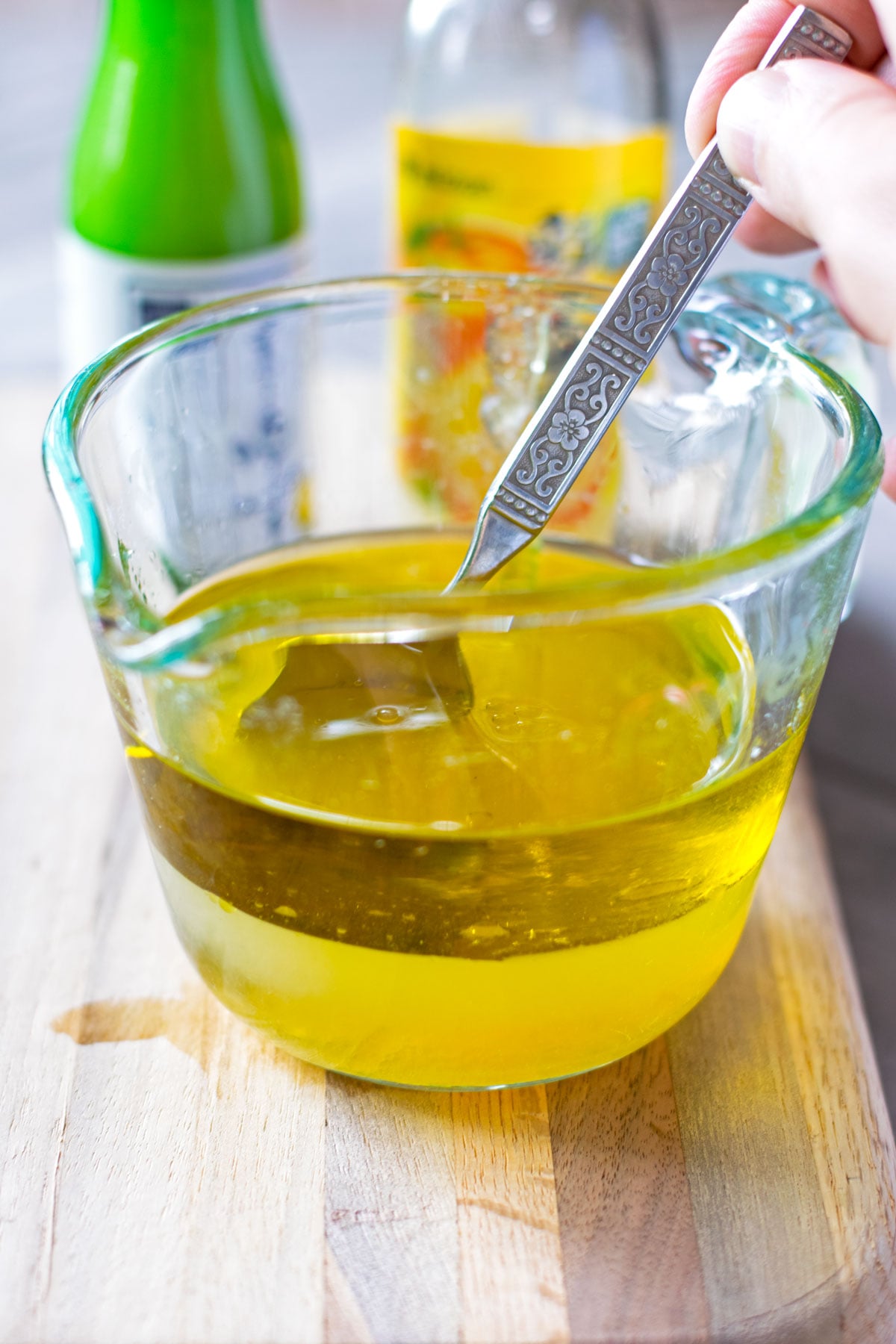
If you can't find yuzu, a mixture of lemon and grapefruit juice is often recommended as one of the closest substitutes. The lemon adds the tartness, while the grapefruit contributes some bitterness and complexity.
If you have access to other Japanese citrus fruits, sudachi and kabosu are also excellent options. Both work well in dressings, sauces, and seafood dishes, though each has its own distinct flavor.
That said, if yuzu is the star of the recipe, I always reach for bottled yuzu juice. In my experience, nothing else quite captures its unique flavor.

My Favorite Way to Use Yuzu Juice
If I had to pick one favorite way to use yuzu juice, it would be in a simple dressing. A quick mix of yuzu juice, olive oil, rice vinegar, salt, and pepper is all it takes. It has a way of making an ordinary weekday salad feel just a little more special.
I love it over thinly shredded sen-giri cabbage or mixed greens with grilled salmon or chicken, especially when I want something light and refreshing. Add a few air-fried Japanese sweet potato cubes, drizzle a little more dressing over the top, and you have one of my favorite easy dinners.
Frequently Asked Questions
Yuzu juice has a tart, refreshing citrus flavor with subtle floral notes and a gentle bitterness. While it's tart, the acidity isn't as sharp as straight lemon juice.
No. Yuzu juice is simply the juice of the yuzu fruit, while ponzu is a Japanese citrus sauce made with soy sauce, citrus juice, and other seasonings. Yuzu juice is just one of the citrus juices that can be used to make ponzu.
Yes, but pure yuzu juice is very tart and concentrated, much like lemon juice. It's often diluted with sparkling water or used to add yuzu flavor to sauces, dressings, desserts, and refreshing drinks like my Sparkling Yuzu Mocktail.
Yes, but the flavor will be different. Lemon juice provides a similar acidity, but it lacks yuzu's distinctive floral aroma and gentle citrus bitterness. For a closer substitute, try a mix of lemon and grapefruit juice, though nothing quite replicates the unique flavor of yuzu.
Yes. Once opened, bottled yuzu juice should be refrigerated to help preserve its citrus flavor and aroma.
Conclusion
Yuzu juice may be a small, niche ingredient, but it can make a big difference in the kitchen. Just a splash can add a fresh, citrusy twist to everyday recipes and help you bring a little more of Japan into your cooking.
Whether you add it to a salad dressing, stir it into a drink, or use it in a favorite dessert, bottled yuzu juice is one of those ingredients that's easy to keep on hand and surprisingly versatile.
If you're new to Japanese cooking, it's an easy place to start. Keep a bottle in the refrigerator, experiment with a few recipes, and don't be surprised if it becomes one of those ingredients you reach for again and again.
If you try one of these ideas or discover a new favorite way to use yuzu juice, I'd love to hear about it in the comments below.
Leave a Reply