
Miso (味噌) is a fermented paste used in miso soup, marinades, sauces, and dressings. But how long does miso last in the fridge once opened? In this guide, you’ll learn how to store miso properly, how long it stays fresh, and how to tell if it’s gone bad.
Written by Asami Goto, a certified miso expert and bilingual Japanese food writer based in Tokyo. Edited and photographed by Matt Eisenhauer.
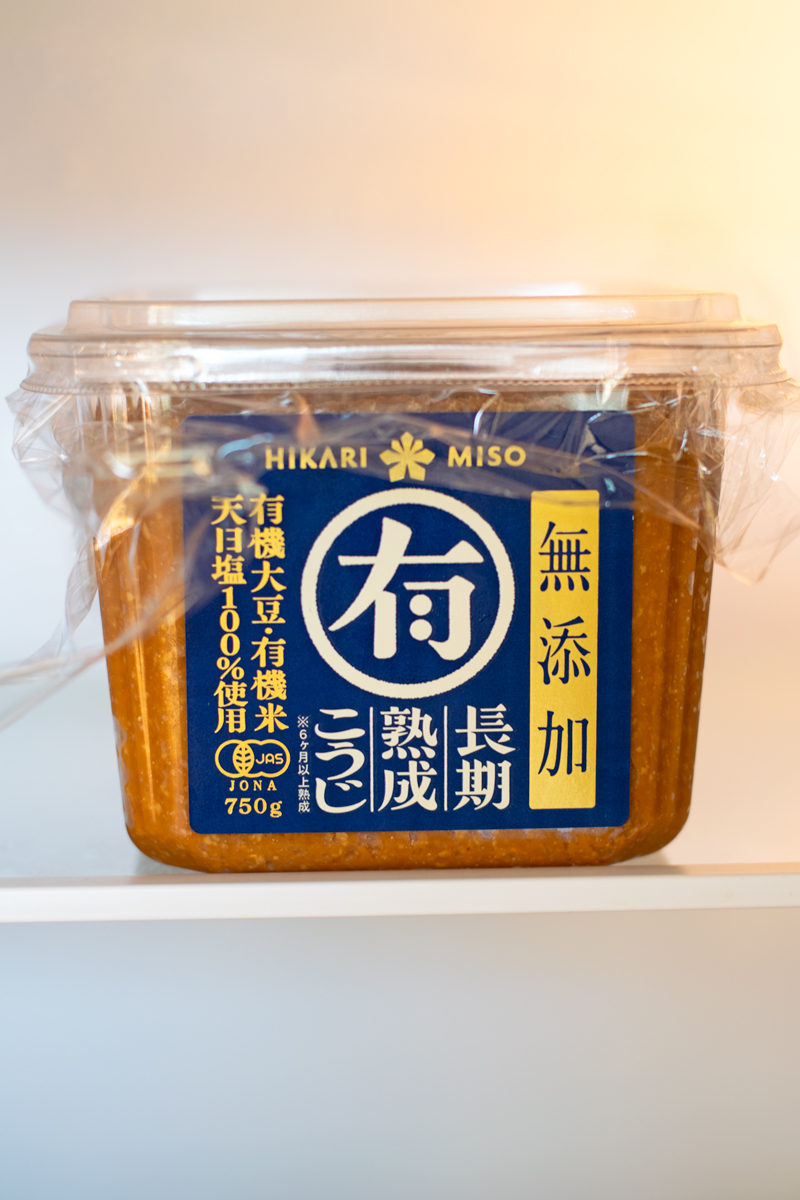
Good News About Miso’s Shelf Life
In this post, you will learn everything you need to know about miso’s best-by date. You’ll also get expert tips on how to store miso in your fridge or freezer so it lasts as long as possible without going to waste.
Jump to:
- What is Miso Paste?
- How Long Does Miso Last in the Fridge After Opening?
- How to Store Unopened Miso
- Does Miso Paste Need to Be Refrigerated After Opening?
- Does Miso Paste Go Bad?
- Tip to Avoid Expired Miso
- How to Store Miso Paste After Opening
- What is the key to making miso taste better for longer?
- Can I eat expired miso paste?
- Try these delicious miso recipes:
What is Miso Paste?
Miso (味噌) is a traditional Japanese fermented product (発酵食品, hakkō shokuhin). It is a flavorful paste made by fermenting soybeans, rice, wheat, or other grains with salt and a special culture called koji (pronounced KOH-gee).
Alongside soy sauce, miso is one of the most essential ingredients in Japanese home cooking. Many Japanese households use miso almost daily, scooping it straight from the fridge to make soups, sauces, marinades, and more.
Because of its high salt content and fermentation process, miso naturally keeps well, especially when stored properly in the refrigerator or freezer.
Below, you’ll find detailed information on exactly how long miso lasts in the fridge and tips to maximize its freshness.
How Long Does Miso Last in the Fridge After Opening?
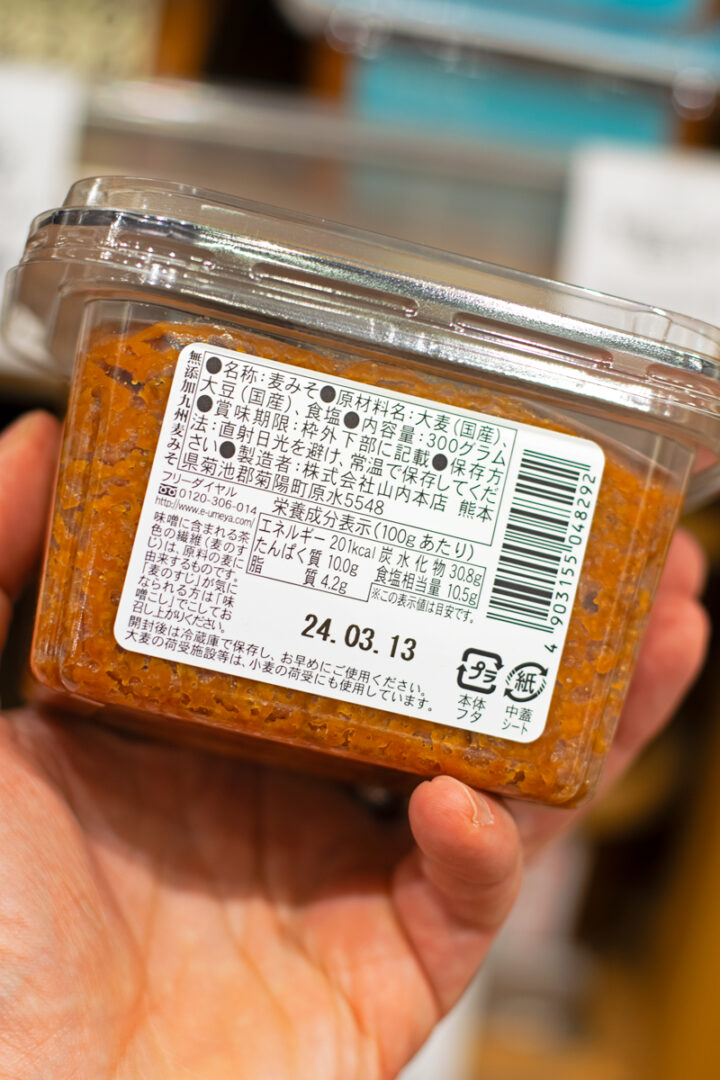
Generally speaking, miso has an expiration date of 3 to 12 months.
There are several types of miso pastes, including soy miso (豆味噌), rice miso (米味噌), and barley miso (麦味噌). The expiration date depends on the type and ingredients, so it’s important to check the label when you buy it.
I recommend checking the expiration or best before date when you purchase miso. However, this date does not mean your miso will suddenly expire when it passes.
For example, the package of Hikari Miso I recently bought in late October is labeled “Best if used by March.” That doesn’t mean it will spoil in three months.
The label simply indicates that the taste and quality of the miso will remain at their best until that date. It’s still safe to eat miso after the best-by date, as long as it has been stored properly and shows no signs of spoilage.
Miso is a preservative food (保存食, hozon-shoku), similar to pickles.
According to Hikari Miso, “If kept in your refrigerator, miso itself does not go bad. In terms of the quality of the taste, miso should remain relatively consistent for up to one year.”
However, be aware that some processed miso products are more prone to spoilage. These include dashi-filled miso (出汁入り味噌) and low-sodium miso (減塩味噌), which have become more common in Japanese grocery stores in recent years. These varieties may not last as long as traditional miso.
How to Store Unopened Miso
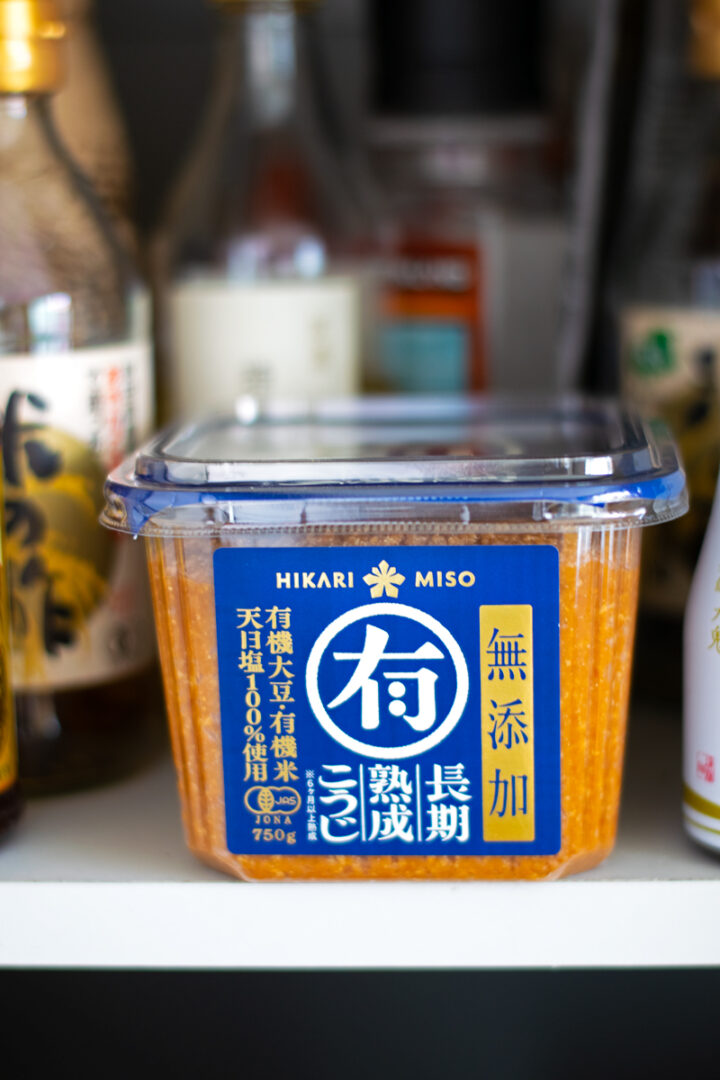
At the supermarket in Japan, you’ll often find miso on the shelf rather than in the refrigerated section. That’s because unopened miso paste can be stored at room temperature.
Keep unopened miso in a dark, cool place away from direct sunlight. The best storage location is one where humidity is low and temperature changes are minimal.
Look for a dry place, such as inside your kitchen cabinets, food pantry, or even a closet. Ideally, choose a spot that does not get hit by sunlight from a window.
Does Miso Paste Need to Be Refrigerated After Opening?
Yes, miso should always be refrigerated after opening. It is a perishable product, even though it’s fermented.
If miso is left at room temperature after opening, the flavor can change over time, and mold may develop in some cases. It’s important to refrigerate miso immediately after you open the package.
When storing opened miso, make sure it is sealed tightly in an airtight container to reduce exposure to air. Then store it in the refrigerator.
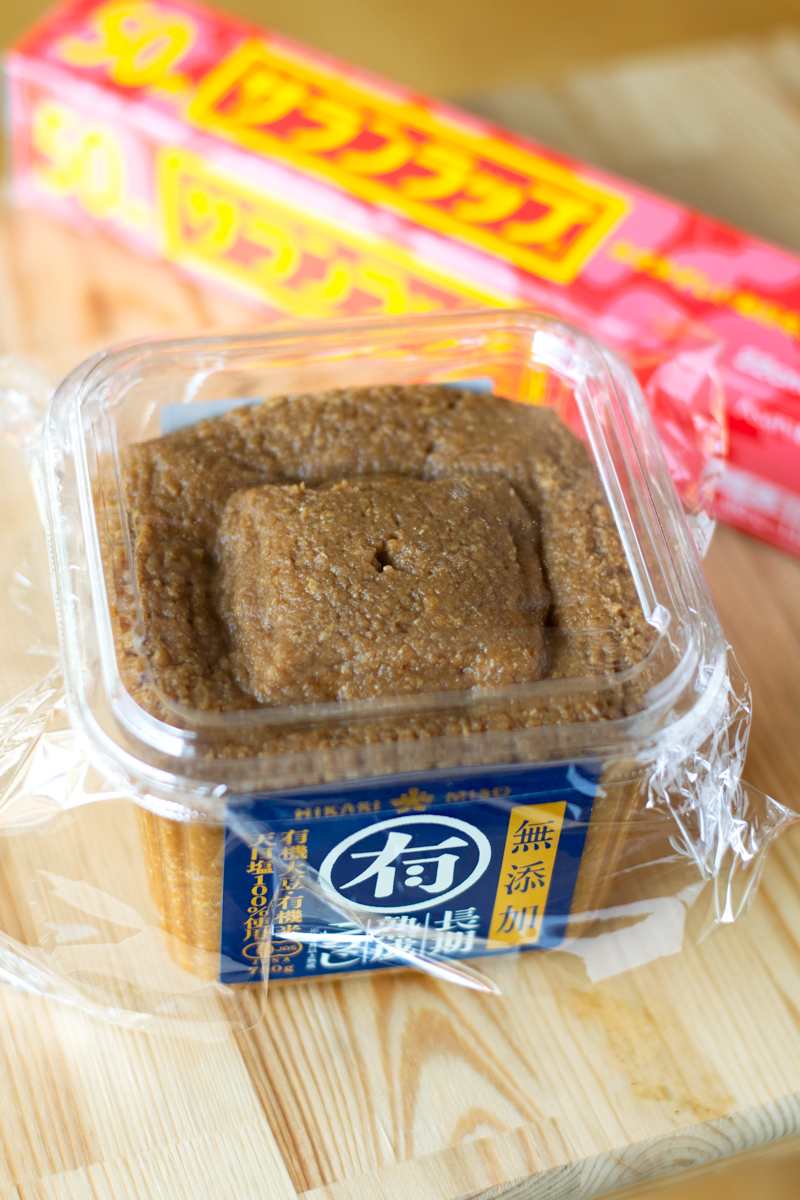
In Japan, most people keep miso in its original container, which is typically designed to be airtight and easy to reseal. It’s convenient and helps keep the miso fresh.
Does Miso Paste Go Bad?
Yes, miso can go bad if it’s been opened for a long time or stored past its expiration date. Even though miso is a fermented food with a naturally long shelf life, changes in color, smell, or taste are signs that it’s time to toss it.
How to Tell if Miso Has Gone Bad
Here’s a quick checklist to watch for:
- Color change: If it suddenly gets darker or looks uneven
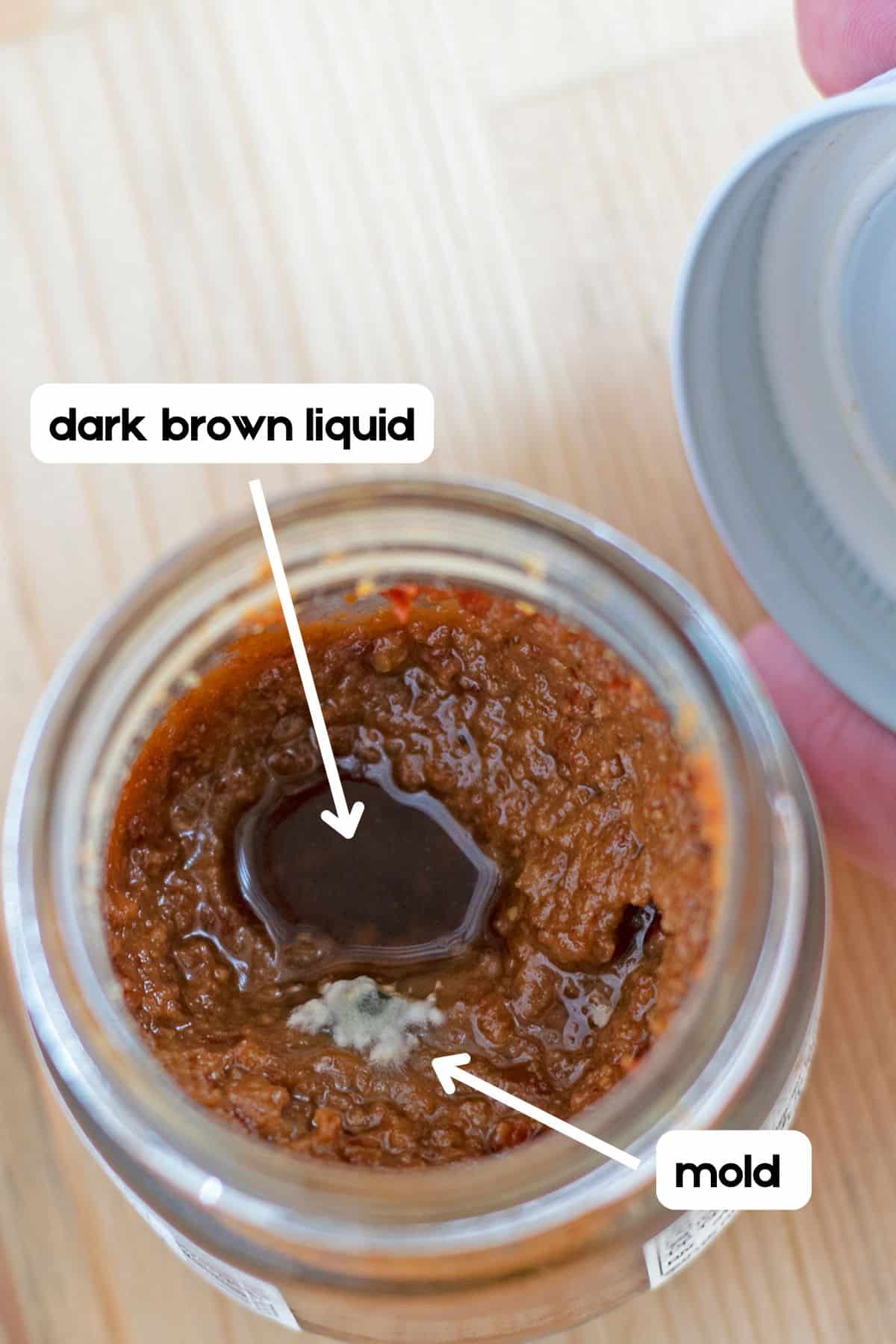
- Liquid on top: If you see a pool of dark liquid on the surface
- Mold: White, fuzzy, or unusual spots
- Smell: If it smells sour, alcoholic, or like paint thinner or natto
- Taste: If it tastes sour, sharp, or bitter instead of rich and savory
If your miso shows any of these signs, it’s safest to throw it away. When it comes to food, it’s better to be safe than sorry.
What to Look For
Darker Color, Dark Liquid, or White Mold
The first thing I check is how it looks. If there’s dark liquid sitting on top, it could be mold. White fuzzy spots or any unusual discoloration are also a bad sign.
Sour Smell
Give it a good sniff. If it smells sour or sharp, like alcohol or paint thinner, or even like natto, I don’t even bother tasting it. That smell alone tells me it’s time to get rid of it.
Sour Taste
If you do taste it and it’s more sour or bitter than usual, that’s another red flag. Miso should taste rich and savory, not sharp or astringent. If the flavor has changed, it’s best to stop eating it.
To avoid any risk of food poisoning, don’t eat miso that smells sour, tastes off, or shows signs of mold.
Tip to Avoid Expired Miso
Unless you cook Japanese food for your family every week, I recommend buying smaller containers of miso.
If smaller sizes aren’t available at your local Asian grocery store, there are several options online.
For example, Hikari Miso comes in a 17.6 oz (500 g) container as well as a larger 750 g size.
How to Store Miso Paste After Opening
To keep your miso fresh and full of flavor, minimizing its exposure to air is key. Here are my best tips:
Storing Miso in Its Original Container
When miso is exposed to air, it oxidizes and darkens, losing some of its aroma and flavor. After opening, always make sure to close the lid of the airtight container tightly before placing it in the fridge.
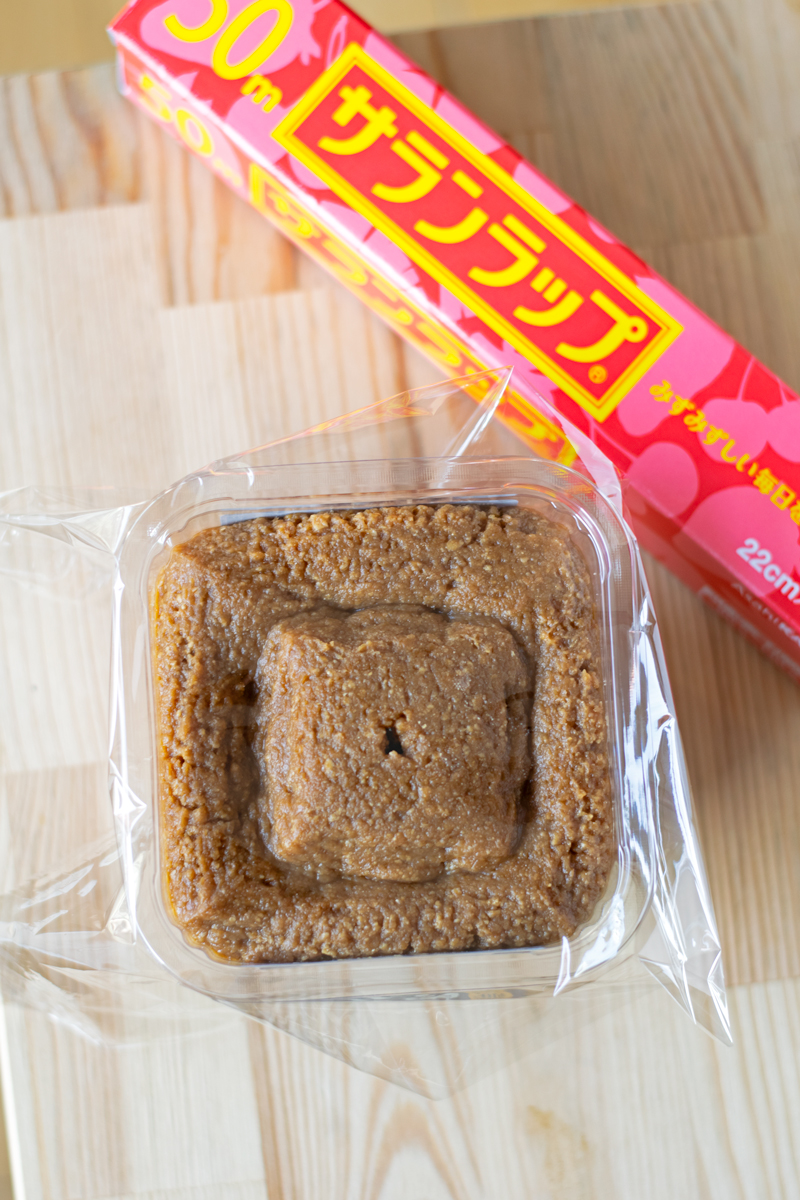
For extra protection, press a piece of plastic wrap directly onto the surface of the miso to seal out air. Flatten any uneven areas of the miso before covering it, then put the lid back on tightly.
Storing Miso in a Bag
If you transfer miso to a plastic bag for storage, gently pound the sealed bag on your kitchen counter a few times. This helps release air trapped between the miso and the bag’s opening, creating a better seal.
Then, secure the bag’s opening tightly with a rubber band before placing it in the refrigerator.
What is the key to making miso taste better for longer?
Many people think of miso as a preserved food with a long shelf life. But miso can go rancid or lose its flavor if it is stored improperly, leaving it unappetizing.
The key to keeping miso tasting fresh is controlling temperature and storage conditions. Store miso at a low, consistent temperature, ideally in the refrigerator, and avoid exposing the surface to air. Doing so stabilizes the paste, helping it maintain its rich, savory flavor for longer.
Can you freeze miso paste?
Yes. While miso can be stored at room temperature before opening, freezing miso paste is recommended if you do not plan to use it for a while, especially during hot summer months.
Fermentation by yeast and bacteria continues even in the fridge, which gradually changes the flavor. Freezing slows down this activity, preserving miso’s quality and taste.
Freezing tips for miso paste:
- Keep your freezer temperature above 25°F (-5°C).
- Because miso contains salt and other components besides water, it will not solidify completely in a home freezer.
- Once removed from the freezer, transfer miso to the refrigerator and use it within 2 to 3 months.
Can I eat expired miso paste?
Yes, in many cases. Frozen, unopened miso can last 1 to 2 years and is often safe to eat past the expiration date, as long as the flavor is still intact.
For miso stored in the fridge past its expiration date, it can often still be used safely. Always check for the signs of spoilage outlined in the “How to Tell if Miso Has Gone Bad” section.When in doubt, throw it out. Your health is more important than saving a container of miso.
Try these delicious miso recipes:
Once you try out some of these recipes, the leftover miso in your fridge will never go to waste again!



ABOUT THE AUTHOR
Asami Goto Miso Expert (Japan Safe Food Cooking Association (JSFCA))
Asami is currently developing miso recipes based on her knowledge, including its role in Japanese cuisine, how to select the right miso, the colors and flavors of various types of miso, and how to make miso at home. She is also conducting research on regional miso flavors, characteristics, history, and local miso cuisine to promote the appeal of traditional miso handed down in each region of Japan globally.
Sandra Acostsa says
Very helpful. Thank you.
Matt says
Hi Sandra, happy it helped!